

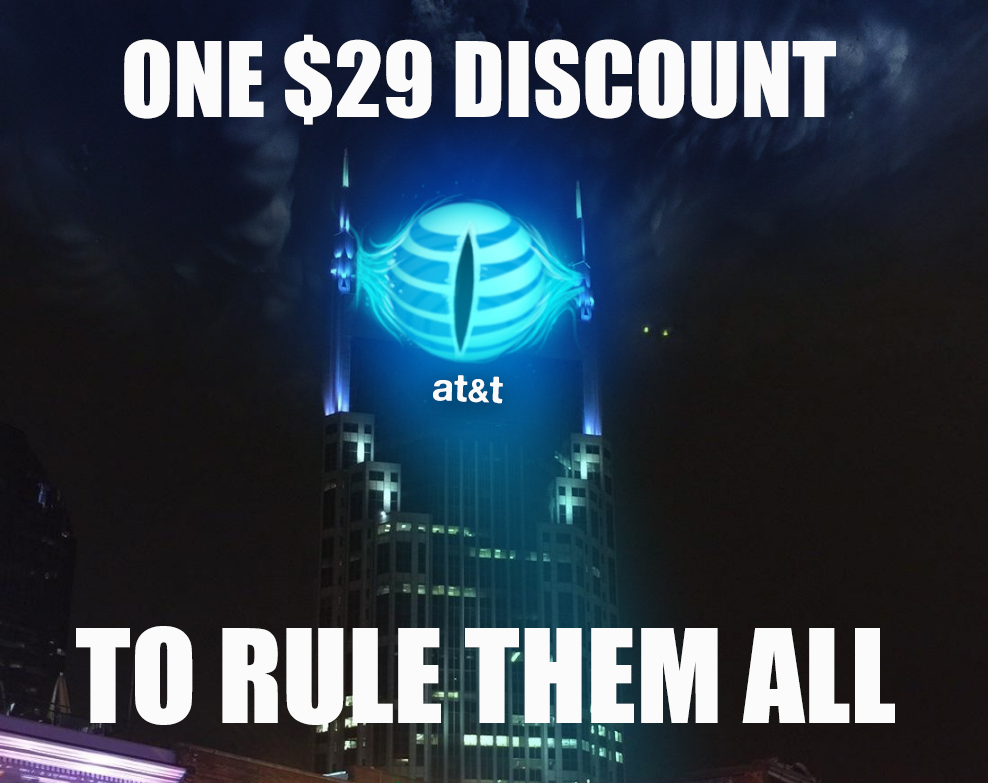
Back in 2014, we covered a news story all about AT&T and how they wanted you to pay extra for privacy. Previously the service was only available in select markets like Texas, North Carolina, and Kansas City. These AT&T Gigapower high speed internet plans in these locations charged $30 extra per month to keep internet browsing history private. If the customer did not want to pay extra, the information would be routed through a scanning system to sell data to targeted advertisers through your email inbox and front door.
Wow. Signing up for AT&T U-Verse 300 Gbps comes with a rather substantial invasion of privacy cc @gigastacey pic.twitter.com/vRoHdB6IJv
— Steve Watt (@wattsteve) May 10, 2014
Previously, the FCC net neutrality rules evaluated cases of pay-for-privacy, like Gigapower, which caused AT&T to end their privacy monetization schemes. Now in 2017, with President Trump signing away many privacy regulations and giving ISPs even more power than before with Title II net neutrality rules abolished, these new “pay extra for privacy” plans are coming back, more powerful than ever before.
AT&T now plans to reintroduce GigaPower’s multiple privacy pricing tiers. However, this time, they are attempting to trick customers by claiming discounts are involved, and that the new pricing tier is somehow beneficial. However, at the end of the day, customers are still being forced to chock up more money if they don’t want their sensitive data handed directly to advertisers.
AT&T VP Believes in Customer Data Collection
AT&T vice president, Robert Quinn revealed the information in an interview with C-SPAN. In the video interview, Quinn talks about why he thinks it’s good that the ISPs now have less privacy restrictions. He thinks that it’s now more of a level playing field, since Google and other companies and now ISPs all have less privacy restrictions. In other words, if everyone is stealing information from customers, why can’t they as well?
Quinn is so disillusioned that he believes that at heart, people would support AT&T’s new pay for privacy plan:
“I think that as the privacy revolution evolves, people are going to want more control and that is the pricing model that will ultimately be what consumers want. I don’t know. Allowing the companies to meet the market demand with the business model that allows you to recover the investments you need to make to stay ahead of the game.”
However, Quinn doesn’t mention that it could be entirely possible to let people keep their privacy for free, without charging them additional fees. If the FCC net neutrality rules had passed, then this pay extra for privacy feature would not be reintroduced.
AT&T Makes Customer “Lose”
With more freedom, we can already see Internet Service Providers like AT&T starting to take advantage of their customers by charging more for features that should already be included within the basic cost of internet. AT&T knows that by putting in this confusing pricing package, some customers will inevitably pick the cheaper option which will make them millions off advertising. It’s a win-win situation since they not only make money off of advertising, but also off increased pricing for customers. However, for customers, it’s a lose-lose, since you can either pay more, or give away your browsing history to AT&T.
TorGuard VPN – WIN – WIN
With TorGuard VPN and AT&T, you can win by keeping your privacy and getting the discount. You can undercut AT&T by paying for our affordable pricing plans to skip the $30 extra monthly charge. With TorGuard, you can pay a measly $5 a month to totally encrypt ALL of your internet traffic so AT&T can’t harvest and then sell your data. TorGuard protects your internet browsing with AES-256 encryption so Internet Service Providers like AT&T can’t see your activity.