

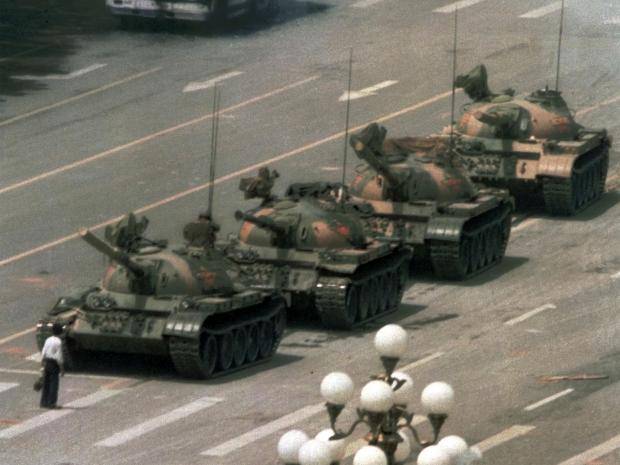
China has already made it clear that they want to censor all of the internet and prevent access to information from the free press for all 1.4 billion people who live within the country’s borders. What happens when they begin to censor information for the 6.2 billion other people who live outside of that border?
We’ve officially found out. As tensions rose surrounding the anniversary of the Tiananmen Square massacre, people in every country with mostly free and open internet access found out what happens when China doesn’t want them to see specific images or read certain news bits.
The Tiananmen Square Massacre
The Tiananmen Square Massacre refers to a pro-democracy protest that took place in China from April 15 1989 until June 4 1989. Students began demonstrating for positive political change, and the Chinese government met their efforts with contempt. The military was sent in after protesters, who attempted to stop their advance into Tiananmen Square. The military killed the protesters.
Although the Chinese government has never released (and will never release) an accurate count of how many people died at Tiananmen Square, it’s possible that as many as thousands of people died that day.
Every year on June 4th, people gather in remembrance of the protesters killed by the government and reiterate the pro-democracy message that the protesters stood for. Tensions raise between the government and citizens every June, and the government attempts to throttle communications and enforce censorship to prevent the events at Tiananmen Square from being remembered or discussed.
Who Was Tank Man?
Tank Man refers to the iconic images of a single man standing in front of Chinese military tanks as they began to advance towards protesters. We don’t have official documentation regarding the fate of this man, but many assume he died at the hands of the Chinese military.
This image has become an iconic representation of the power of people in protest. It’s more than just a picture from a single event, but a larger representation of brave citizens who fight against totalitarianism and overreaching governments.
Every year around the anniversary of the Tiananmen Square massacre, images of Tank Man often accompany articles and social media posts that remember the event and inspire people to rally for change. The Chinese government knows this, and this year, they dramatically overreached to prevent the image from circulating.
Bing Search Engine and the Chinese Government’s Ruthless Attempts to Rewrite History
People using Bing to search for this iconic image on the anniversary of the massacre were met with a “There are no results for tank man” message. It would be expected that this would happen in China, but it happened worldwide. Bing users in the United States and most of Europe were suddenly met with the same message. Bing hid Tank Man at a time when discussing the events was most important.
Microsoft claims that human error was to blame for the censorship, and this makes the situation even more concerning. Someone has the power, without oversight, to censor Bing search results in a way that favors the restrictions of foreign governments. They used that power to do what the Chinese government wanted.
Bing hasn’t commented on the employee responsible or the reason why this person censored the search term, which is almost as concerning as the fact that it happened in the first place. We don’t know what’s going on inside of Bing, and we never will. We just know it doesn’t look good.
Never Allow Censorship To Keep You From The News
Search engines can block whatever they want to block for whatever reason. They can block it in general, or they can block it specific to region. Choosing a privacy based search engine and searching through a VPN like TorGuard will help you bypass information censorship, no matter who imposed it or why.