

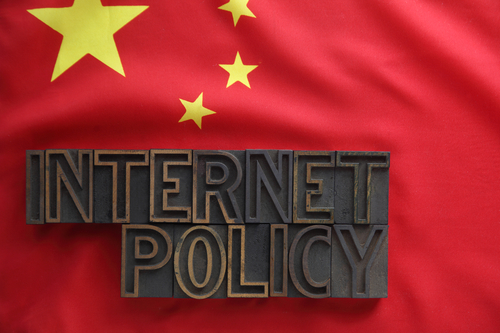
Surprising no one, China is passing yet another internet censorship bill that will prohibit criticism of the government.
Of course, any attempt to discuss what could be wrong with the government is a “terrorist attack” that disrupts economic, social, and political order. Unfortunately, the bill has already been approved by the National People’s Congress Standing Committee. The bill requires internet service providers to log a user’s identity–in an attempt to make anonymous browsing more difficult.
“This dangerous law commandeers internet companies to be de facto agents of the state, by requiring them to censor and provide personal data to the authorities at a whim,” said Amnesty International’s China researcher Patrick Poon.
Right now, internet users in China who post controversial messages on the internet face up to three years in prison. This precedent started when over 15,000 Chinese civilians were arrested in August of 2015 for “internet crimes.” Web sites that were platforms for such posts or even websites that could include any adult content were shut down with owners being sent to jail.
It’s been no small secret then people in China cannot access a majority of the internet. Websites like Facebook, Twitter, YouTube, and even Wikipedia have been blocked for considerable lengths of times.
Even though China wants to log users through ISPs, TorGuard still protects your internet in China since it encrypts traffic going out, changes your IP, and makes your traffic look like normal HTTPs traffic.
With TorGuard VPN, your traffic is encrypted and hidden by OpenVPN 256-AES through multiple additional security layers like Stealth VPN and proxy. Regardless of this new bill, ISPs cannot see what you are doing, log your identity, or see your traffic.