

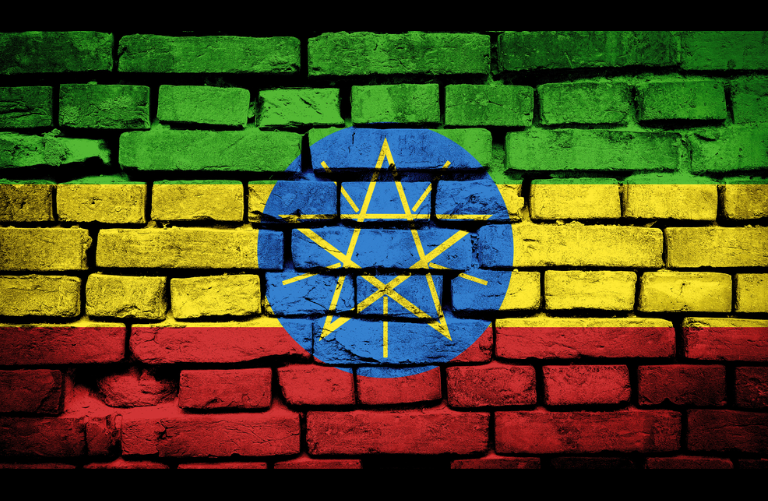
Just recently, Ethiopia woke up to one of the worst internet outages in history. But was it an outage, or a purposeful censorship intent?
On May 30, 2017, Ethiopians woke up to a blocked internet. They could not connect nationwide to any website. Since 2015, Ethiopia has seen three internet outages with social media websites blocked. This time Ethiopians aren’t surprised, but they are outraged.
The country-wide blackout has left numerous businesses, universities and banks as well as government media branches cut off from the rest of the world making accessing the internet impossible. Government officials have claimed that the shutdown is part of an effort to prevent students cheating on exams. Last year around the same time, Exam answers were leaked on Facebook which caused exam postponements for two weeks and a shutdown of various social media websites.
However, this time, the shutdown is much larger in scope since it has effectively blocked the entire internet for all of Ethiopia. Additionally, critics surmise that the real reasons for the internet outage is because of country-wide protests. Ethiopia has resided in a “state of emergency” that has allowed the government to perform mass arrests and the use of violence to break up mass protests caused by the conflict between the ruling party and the dominant opposition groups in the Oromo region.
It was only in the last few weeks that more Ethiopian activists were given long term prison sentences for posts expressing solidarity with anti-government protesters.
These incidences in Ethiopia demonstrate how human rights violations, violent protests, and governmental instability often create internet censorship.
TorGuard VPN is one of the best VPNs to use in Ethiopia due to our large and constantly expanding server network with AES-256 encryption, and Stealth VPN options which camoflauge VPN use.
