

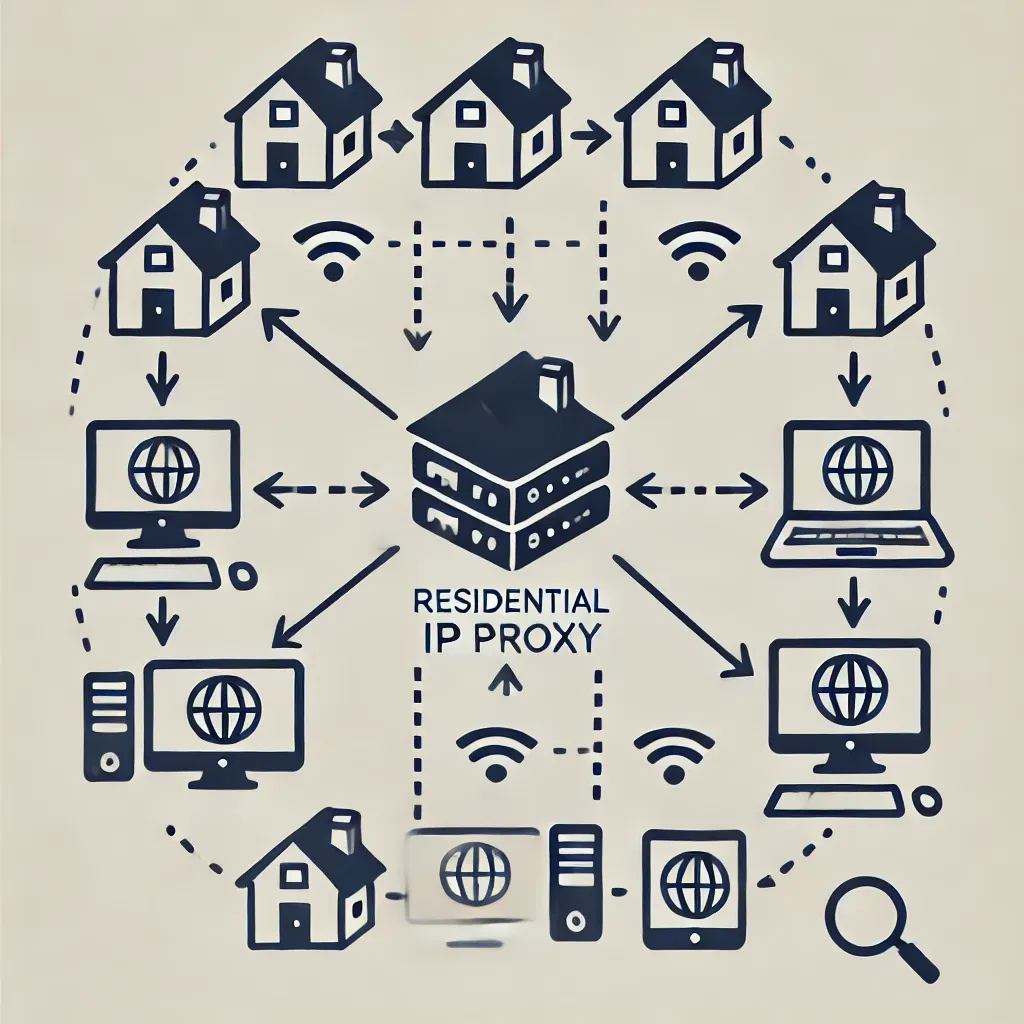
In the competitive VPN world, some providers leverage third-party "residential proxy" services to bypass CAPTCHAs and access streaming content. These proxies make your internet activity look like it's coming from a regular residential user in a specific country, helping users unlock streaming services and avoid certain restrictions. While this can seem like a convenient solution, it brings serious risks to your privacy. At TorGuard, we’re committed to protecting your privacy, which is why we use our own residential IP VPN servers and never rely on third-party proxies that could put your data at risk.
What Are Residential IP Proxy Providers?
Residential IP proxy providers offer a vast network of IP addresses that come from real home internet connections. On the surface, these IPs may seem legitimate, collected through voluntary agreements or software that users opt into. But not all providers operate ethically. Some obtain these IPs in more questionable ways, such as bundling proxy software with free apps or even using botnets, which unknowingly turn regular users into part of a proxy network. This creates significant privacy issues, especially when VPN providers use these services without full transparency.
How VPN Providers Use Residential Proxies
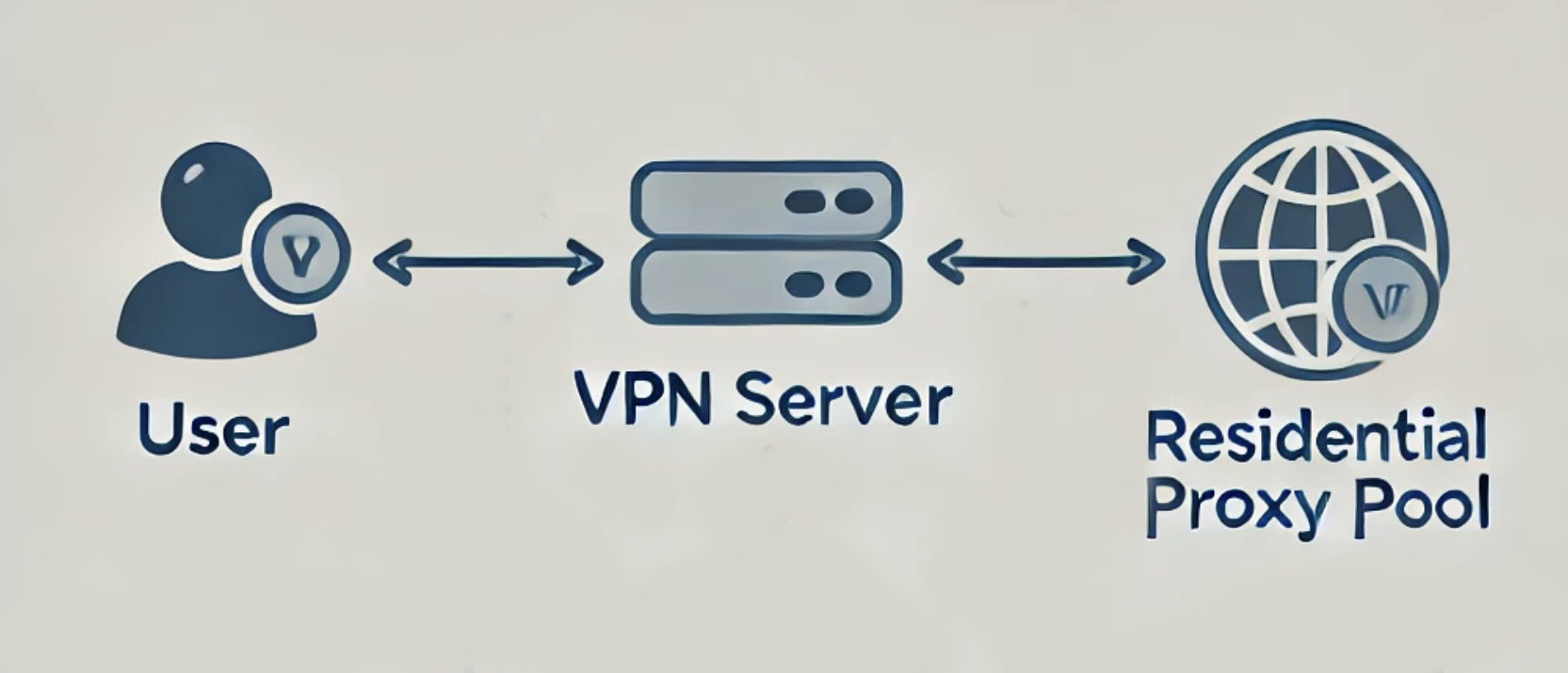
There are many paid and free VPN providers that use residential proxies to help users avoid CAPTCHAs or unblock streaming sites like Netflix. Even if you're connected to a VPN server, your requests to certain websites may be rerouted through third-party proxies to get around restrictions. Here’s a simplified breakdown:
- A user connects to a VPN server.
- When trying to access certain services (e.g., Netflix or Google), the VPN detects a rule to avoid IP restrictions.
- The user’s request is then forwarded through a third-party proxy with a residential IP in a different location, bypassing restrictions.
While this process may work for accessing restricted content, it introduces a major privacy risk because the user’s traffic is passing through a third party, opening the door to potential data breaches or user tracking.
Privacy Risks: Data Logging and Monitoring
Once your VPN traffic passes through a third-party proxy, the privacy promises of your VPN provider may no longer apply. These third-party services often have their own privacy policies, and they may log user data, analyze traffic, or even sell the information to data brokers. This compromises the privacy you expect from your VPN. Here are the main risks:
- Data Logging: Third-party proxies may store logs of connection details, such as timestamps, your IP address, and the websites you visit. Even though your connection may be encrypted, this data can still be valuable and compromise your privacy.
- Traffic Analysis: Proxy providers may study traffic patterns for internal use or sell data to marketing firms, allowing them to track users and build profiles, completely undermining the security a VPN is supposed to provide.
- Legal Requests: If a proxy provider receives a legal demand for data, they could be forced to share logs, even without your knowledge or your VPN provider’s consent. This could expose you to investigations, even if you thought your VPN protected you.
VPN Providers’ Ability to Route Traffic: A Privacy Concern
Another concern is that some VPN providers may have the technical ability to route your traffic through third-party proxies without you knowing. This creates a potential "man-in-the-middle" situation, where your traffic is secretly passed through an intermediary service. In some cases, VPN providers could be forced to do this through legal orders, potentially bypassing their no-logs policies or other privacy safeguards.
Even if the VPN provider is upfront about its policies, using third-party proxies means your data is exposed to another company that may not prioritize privacy the same way.
TorGuard’s Approach: Full Control Over Residential IPs
At TorGuard, we’re often asked whether we use third-party proxies for our residential IP addresses. The answer is no. Instead, we operate our own residential IP VPNs on dedicated servers located in secure data centers. This means we’re in full control of the entire process, ensuring that no third parties can compromise your privacy. Our residential IPs are not part of any peer-to-peer network or sourced through any external provider. We manage everything in-house, meaning we can uphold our strict no-logs policy and keep your data private.
Why This Matters for Your Privacy
While third-party residential proxies might help VPNs bypass certain restrictions, they come with significant privacy risks. These services insert a third party into your connection, potentially exposing your traffic to logging, tracking, or legal scrutiny. At TorGuard, we don’t take those risks. We control our residential IPs entirely, ensuring that your traffic stays private and secure.
For users who value their privacy, TorGuard offers residential IP add-ons that guarantee no third-party involvement. You can try them out today with 60% off as part of our current promotion.
In short, while residential proxies can be useful for getting around restrictions, they come with serious privacy concerns. TorGuard prioritizes your privacy by avoiding third-party proxies and maintaining full control of our residential IPs, so you can trust that your web browsing is secure.