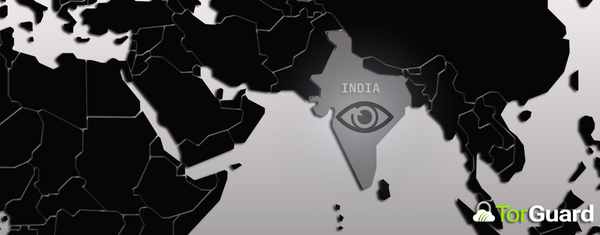


2017 doesn’t look to be a good for internet privacy in India. Just recently, the Indian government has outlined plans for their new mass online surveillance project, the Centralized Monitoring System, and it will go live during the first quarter of 2017.
What is the Centralized Monitoring System?
The Centralized Monitoring System is a process that lets the Indian Government intercept and monitor all mobile phone data, landline records–as well as online activity in India. The scope of the system’s process seems massive, but even now, it’s still unclear to how this information will be collected and how long it will be stored.
Even now, with the project approaching completion and implementation, there have been no real attempts to clarify what the new process of data collection will entail. However, the Indian Government assures that there are safeguards built into the system which protects the Indian people.
As they say in the Universal Periodic Review, “India believes… that safeguards in the law, including safe transmission of content, the requirement for authorization from senior officials, and the existence of a Review Committee to oversee such authorizations, are sufficient to address concerns regarding privacy and freedom of speech.” However, this statement still does not address many concerns that users in India currently have.
Does India Realize the Problems of Surveillance?
The government has stated that “India recognizes the importance of extending free speech guarantees to activities on the internet,” but they do admit it is necessary to control “misuse of the Internet for inciting violence, spreading rumors and hatred or committing other illegal activities”. These two contradictory statements explain why the Indian people feel uneasy about the centralized monitoring system.
In addition, the Indian’s government’s claims about valuing personal freedom and free speech ring even more hollow in 2017–since an Indian Privacy Bill drafted in 2010 still has not seen the light of day. As of now, no one knows exactly when this new mass surveillance project is being rolled out, who is targeting, and what will happen to the information collected.
As always, protecting your information with a VPN is the only way to really ensure your information stays private. The reason is that a VPN encrypts your traffic so it cannot be collected and deciphered and stored in potentially insecure locations. TorGuard offers anonymous VPN servers in over fifty five countries worldwide, including Mumbai, India.