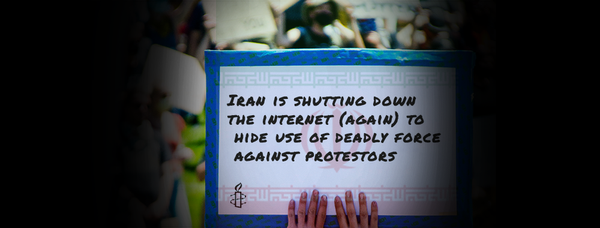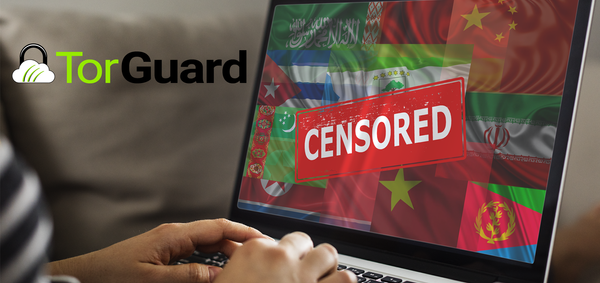

In intense political situations around the world, it’s becoming more and more common to block access to the internet to prevent government opposition. We see it daily in China, where a large majority of websites are blocked as well as services to prevent citizens from not only voicing their opinions, but spreading them as well. Now in Iran, there has been a series of online blackouts affecting Iranian users attempting to communicate. The reason being mass protests that began just a few days ago on Thursday night.
Why are Iranians Protesting?
Iranians are protesting due to a poor economy as well as perceived rampant corruption and high fuel and food prices. Essentially, Iranians are not happy with the standard of living. Many sanctions in Iran still exist that restrict the country’s growth that have caused many Iranians to be without jobs and the government restrictions have increased inflation.
However, the protests are also a result of many other political, economic and social issues happening in the country. Alireza Nader, an analyst at the RAND corporation in Washington explains that “”The government is viewed as highly corrupt, increasing inequality is seen by the population as really a form of injustice, this was supposed to be a system that delivered justice to the people after the revolution of 1979 and it has failed.”
Telegram and Other Online Apps Blocked
This widespread discontent as caused people to turn to online messaging apps and services to communicate. Facebook is already blocked in Iran, but a significant amount of users in Iran use other services like Telegram that can create channels and conversations that are encrypted end to end. But as the strikes started, so did the attacks on these apps and services. The government moved to block Telegram, Instagram, and other popularly used messaging apps on Sunday–a few days after the protests started, to stop the protests and dissent from spreading.
Telegram CEO reached out to confirm that the services have been blocked. “Iranian authorities are blocking access to Telegram for the majority of Iranians after our public refusal to shut down … peacefully protesting channels,” he wrote. Reports from Iranian TV and news platform websites confirmed that the social media channels were being censored in order to maintain safety.
However, the CEO of Telegram also confirmed that they had removed a channel promoting the use of armed violence that broke Telegram’s terms of services. However, since then, the channel was able to rebuild in a more peaceful manner despite the withstanding blocks being active. Users even now are using tools like VPNs to gain access to Telegram channels and other blocked services like Instagram.
How to Unblock Telegram in Iran?
Iran has been trying to control and censor platforms outside of government jurisdiction since 2016 when they started encouraging companies to move servers to Iran. However, since then, there hasn’t been any proof of any companies obliging. But even if companies have not been complying with the government, censorship proceedings of platforms like Telegram are still moving forward in other nefarious ways.
Last year Iran issued a requirement for channel admins on Telegram to register directly with the Minister of Culture and Islamic Guidance. Those who don’t register face risk of prosecution, and those that do risk being jailed. It’s a win-win for the government, and a lose-lose for people using telegram to communicate privately.
Privacy advocate and whistleblower Edward Snowden aptly summed up the issue with the Iranian government and Telegram explaining that the situation illustrates that “you can’t keep an independent, destabilizing service from being blocked in authoritarian regimes, you can only delay it. So you need to be thinking about how to continuing protecting people by making the service accessible *even after the block.*”
As Snowden explains, we need to be using tools like VPNs that allow us to use apps and services even if said services are blocked by the government. VPNs allow you to circumvent restrictions in places like Iran due to newly assigned shared anonymous IP addresses and secure encryption that hides personal internet activity.