

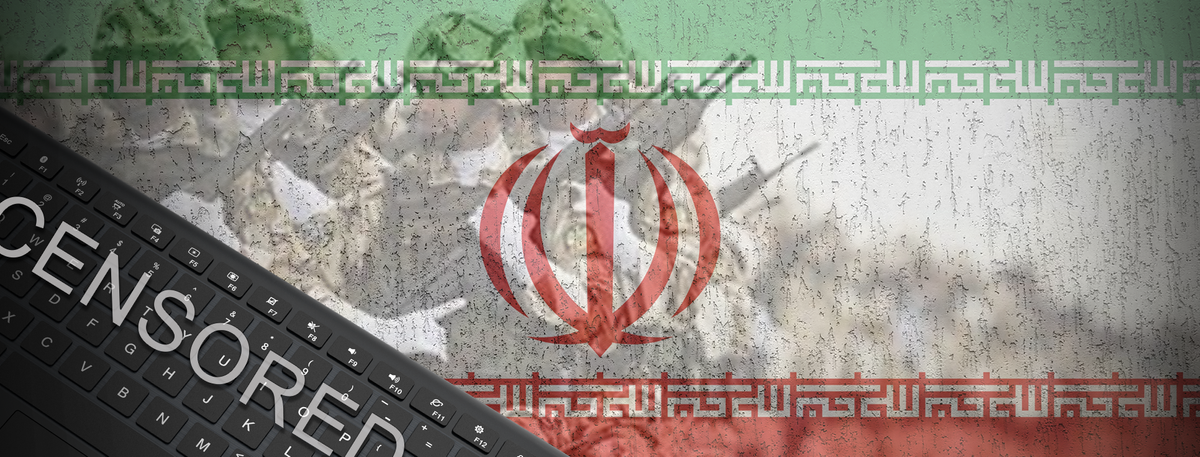
Iran is not what most people would consider to be a free country. Iranian citizens are already forced to abide by a long list of oppressive rules and regulations, being robbed of the freedoms they so desperately want to enjoy. A new bill would create an even tighter atmosphere of control. Iran is already subject to numerous internet restrictions, and a bill drafted by 40 Iranian lawmakers might put the military in control of enforcing those restrictions.
What the Bill Contains
The highly controversial and ill received bill suggests that the key to online censorship is handing over all of the internet gateways to the Islamic Revolutionary Guards Corps and the Iranian military. The bill contains provisions for creating a board of individuals responsible for reviewing and punishing social media posters. This board, which will also contain members of the protester jailing Revolutionary Guards, will make decisions on how to punish people who post content online that the government does not particularly care for.
Iranian armed forces have a history of interrogating and arresting journalists and environmentalist who report or on criticize Iran’s policies. History shows that Iran’s government and military have minimal tolerance for anything that may be considered critical or contrary to their narrative.
The bill also contains proposed penalties for VPN users. The government is well aware that people in Iran use VPNs to circumvent the country’s internet blocks and censorship. The proposal would see that all people making, selling, or giving away VPN or proxy products without an officially issued government license face a prison term of up to two years.
What Iran Already Blocks
Most social media platforms and texting apps are banned in Iran. The only exception is Instagram, which lawmakers are currently targeting for their next round of blocks. Telegram has been blocked, but Whatsapp is still currently functioning in the country. If the censorship bill passes, it’s hard to know what will and will not be allowed to remain. With provisions to punish VPN users, it’s clear that the Iranian government’s goal is to prevent people from accessing the unfiltered internet at all costs.
Iran Has Shut Down the Internet Before
Iran uses their killswitch as often as they have to. Whenever there is the slightest glimmer of protest, the government shuts off the internet to keep the population from mobilizing. Most of the internet went dark during a period of unrest in 2018. Most recently, the government shut off the internet in response to protests over a government imposed hike in gas prices that significantly hindered day to day life for Iranian citizens.
Why the Timing is Bad for Women
This social media restriction and censorship bill comes at a time when Iranian women speaking up against wide spread abuse. Iranian women have taken to the internet to expose inappropriate sexual conduct, including rape, committed by high profile individuals throughout the country. In a place like Iran where sexual assault is highly stigmatized and often unpunished, as the victims fear significant repercussions, this movement is imperative for reform to keep women safe.
If their only platforms are removed or censored, the movement can’t continue. Predators will proceed unchecked and without consequences, harming, assaulting, and endangering the women of Iran who may feel as though they have no safe place to speak out.
Critics of the Bill
Human rights groups don’t appreciate the vague language in the bill. Many of them were also quick to point out that the majority of the bill’s 40 proposers have Twitter accounts, and Twitter is banned in Iran. It seems to show that the government has absolutely no interest in abiding by the restrictions it’s attempting to set forth for its citizens.
Other lawmakers have also been critical of the proposal, with many of them preemptively stating that they will not support the bill if the government attempts to move it forward. It’s unclear if the bill will ever receive the support it needs to be put into law.
What Iranian Citizens Can Do
Whether or not the bill passes is only a small part of a larger picture. As circumstances currently dictate, most of the internet is blocked by way of DNS blockade. If VPN use were to be criminalized, users would have no way to circumvent these blocks to access social media or news outlets. That’s where something like TorGuard’s stealth VPN protocol VPN would come in handy. Stealth VPNs effectively disguise that VPN use is in progress, making it impossible for the government to red flag VPN internet activity. It’s the only way to fully slip under the radar and enjoy compete and true anonymity while browsing.