

Iran has never been an idyllic place to live for those that value freedom and human rights. The past few years have seen an upsurge of Iran’s population vocalizing their opposition to the political structure and archaic laws they feel are designed to oppress them and stifle their freedom. Amid these protests, the Iranian government has recently attempted to block all internet access within the country to censor horrific crimes that were committed against humanity.
Iran’s First Round of Protests
In November of 2019, the Iranian government created a tiered pricing system for gasoline that involved price hikes as high as 50 percent. In a country where most citizens are economically disadvantaged and gas is a necessary staple for survival, the population reacted with outrage. Protests erupted across the country, leading to the deaths of numerous protesters at the hands of Iranian security forces. Internet access within the country was quickly shut off at that time.
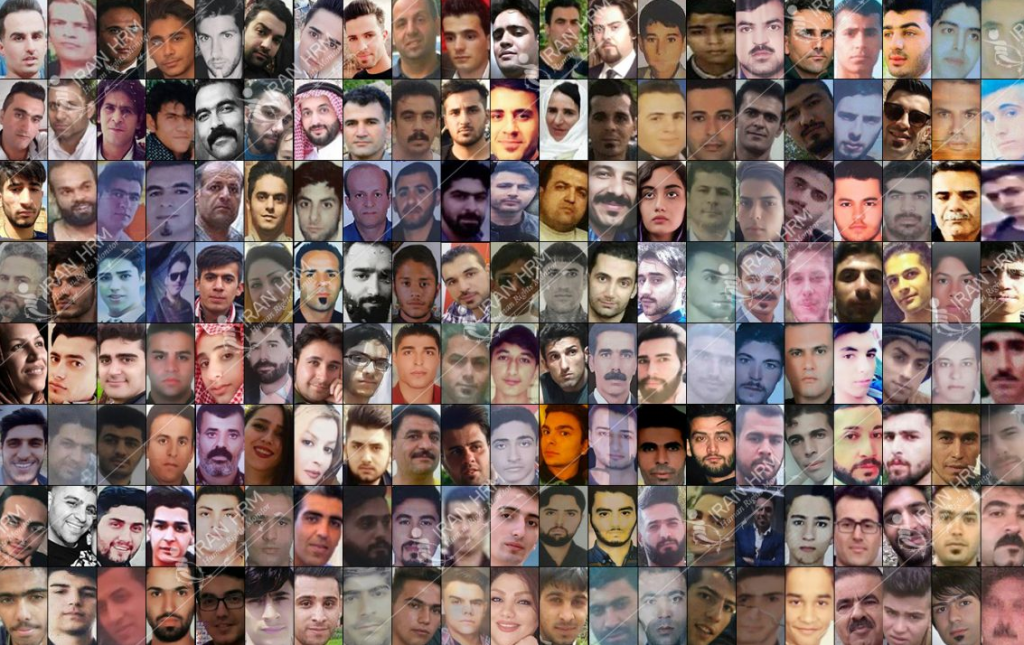
Iran does not have an open or favorable relationship with journalists, leaving the rest of the world less than certain about how many protesters were executed during government intervention of the demonstrations. Some reliable reports suggest that the death toll may exceed 1,500, although an accurate figure may take some investigation before the history books can be written.
The Current State of Events
This large death toll did not scare Iranian citizens into submission, and they continue to take a stand for their freedom. Citizens have taken advantage of the opportunity to express everything else they were displeased with, and many more were arrested on Dec 25th when mourning those killed in the November protests. The Iranian government is on high alert, blaming foreign influence for the unrest in the country.
As Iranian citizens continue to voice their opposition to their government, the government is beginning to run out of options to quiet them. Shutting off the internet is not a sign of strength, but rather a sign of fear and panic. Lethal force did not stop the conversation, setting the stage for what may potentially become a revolution should the population continue to sustain their momentum.
Since the internet is commonly used to consolidate communication, the government has started shutting down or blocking mobile networks. Without the internet and mobile networks, protesters are unable to effectively organize or strategize demonstrations. When Iranian citizens are completely stripped of their ability to communicate, they’re left with no easy options to coordinate and work together. Perhaps the state has already forgotten about the Iranian Revolution of 1979 when no cell phones or computers were required.
Iranians who wanted to commemorate the dead on Dec 25th were met with imposing discouragement from the government. With such a high death toll following the initial round of protests, a substantial amount of families wanted to hold public funerals or memorials for their relatives who had recently died. Fearing these memorials would be ultimately used against them, inspiring more rebellion and breeding anger throughout the population, the government again “shut down” the Internet.
Continued Internet Shutdowns
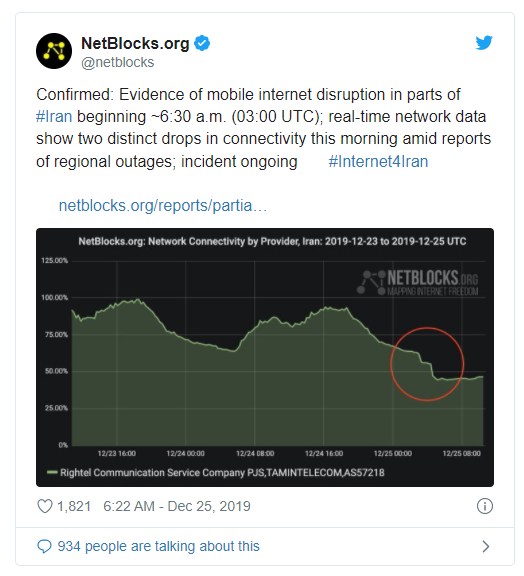
Internet shutdowns have continued to spread, with an increasing amount of mobile phone users reporting that they are unable to access the internet through their devices. A spokesperson for Iran’s ministry of communication denies these claims, although they are objectively and verifiably true. Counter to the spokesperson, almost every mobile phone user and internet blockage observer NetBlocks have verified that the internet has indeed been shut down. The denial of these claims seems to imply that the government is complicit in these internet shutdowns and will continue to enforce the restrictions.
Bypassing Restrictions
Iran has a history of heavy-handed internet censorship, though nothing quite trumps cutting off internet access entirely. Very few regions of Iran currently have functional internet access, and all of those areas are subject to insurmountable restrictions. The only way to access the free and open internet in Iran is through a VPN. Stealth VPNs in particular are the safest option, as they show no visible trace of VPN use to the internet service provider. TorGuard’s Stealth VPN is currently working for Iranian citizens who can locate internet access points.