

Few people realize what a privilege it is to have free and open access to the internet. Nevermind the fact that in countries where any website can be accessed from any device that the government and your internet service provider can still see what you are doing. In many places of the world, people have a short list of websites they are legally allowed to view without consequence, and censorship capabilities are only growing by the day.
Governments are constantly attempting to crack down on privacy measures taken by individuals who want limitless access to the internet without prying eyes invading their space. Pakistan is the latest to come forward with a plan to manage VPN use within the country, and this plan has some serious implications.
Pakistan’s History of Internet Censorship
Pakistan’s government blocks and censors any content on the web that it deems blasphemous, pornographic, anti-state, anti-military, or a threat to national security. The Pakistan Telecommunications Authority claims that they have data to show that Pakistan has some of the highest child pornography usage rates in the world, and therefore it makes sense that the government would attempt to intervene. Most law abiding citizens in Pakistan have absolutely no objection to blocks being placed on content that depicts the sexual abuse of children.
The main issue with Pakistan’s censorship policy is how “blasphemous” or “anti-state” could be interpreted. This means that any website that contains the slightest glimmer of political ideas that don’t necessarily completely mesh with those widely supported in Pakistan could be censored. News organizations and social media websites are often blocked because they offer alternative, freethinking perspectives.
This results in Pakistani internet users being locked in to government imposed perspectives. They don’t have access to an adequate amount of information about world events, and they’ll never have the resources they need to form informed perspectives about any important ideas. The only available workaround is to browse the internet through a VPN, which would remove blocks imposed by the government and allow access to content from anywhere in the world. Now, the government is looking to monitor the usage of these tools.
VPN Registration Requirements
The Pakistani government has lead several failed attempts to outright ban VPN use. Some of these measures include blocks being put in place through deep packet inspection, but experienced VPN users are savvy enough to bypass those blocks via their VPN connection methods. The compromise envisioned by the Pakistani government involves requiring users to register their VPNs through the Pakistan Telecommunications Authority.
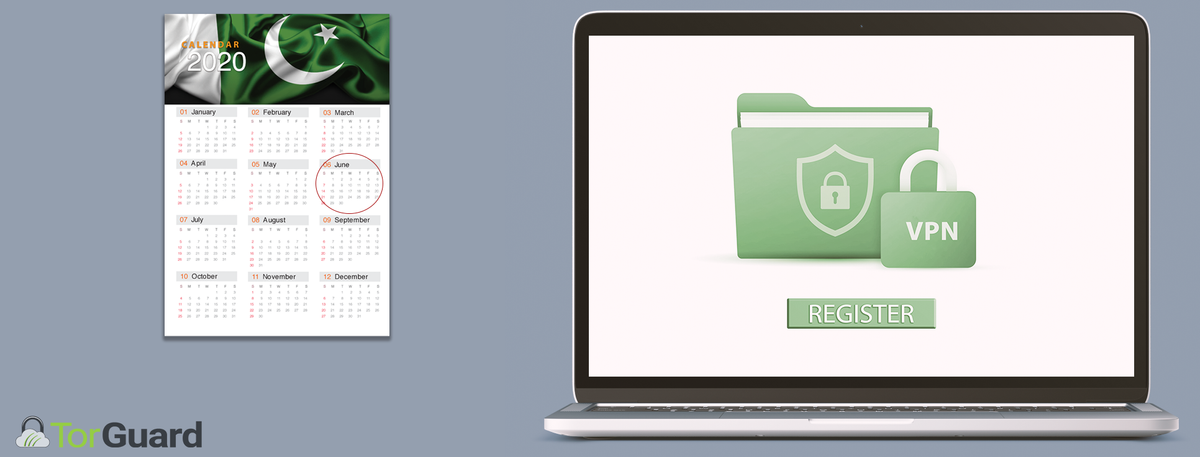
The Pakistan Telecommunications Authority wants every user to register their VPNs by June 30, 2020. When registering their VPNs, users will have to explain exactly how they intend to use their VPNs. This is a trick question to which there is no right answer. The government doesn’t actually want to allow VPN use at all, since it allows users to enjoy complete internet freedom. Tipping the government off to VPN use openly invites undue scrutiny. Once they know citizens connecting privately, they have reason to monitor those people and pressure them into compliance.
Anyone who does not register their VPN can face disciplinary action by government authorities and have their internet access completely severed by their ISP. This is a move to scare people, and it seems that the government is hoping that VPN users would rather voluntarily stop than report the usage of a privacy product.
What a Stealth VPN Does
A Stealth VPN will soon be the only way internet users in Pakistan can browse the open internet without consequence or intimidation from their government. The tools that exist to detect VPN use do so by a process of Deep Packet Inspection, or DPI. When you browse the internet, your device communicates with its service providers via bits of information called packets. When a traditional VPN is used, these packets contain a little snippet of information that indicates that the data is shielded by a VPN. This is the data that will tip off an internet service provider, and ultimately the government.
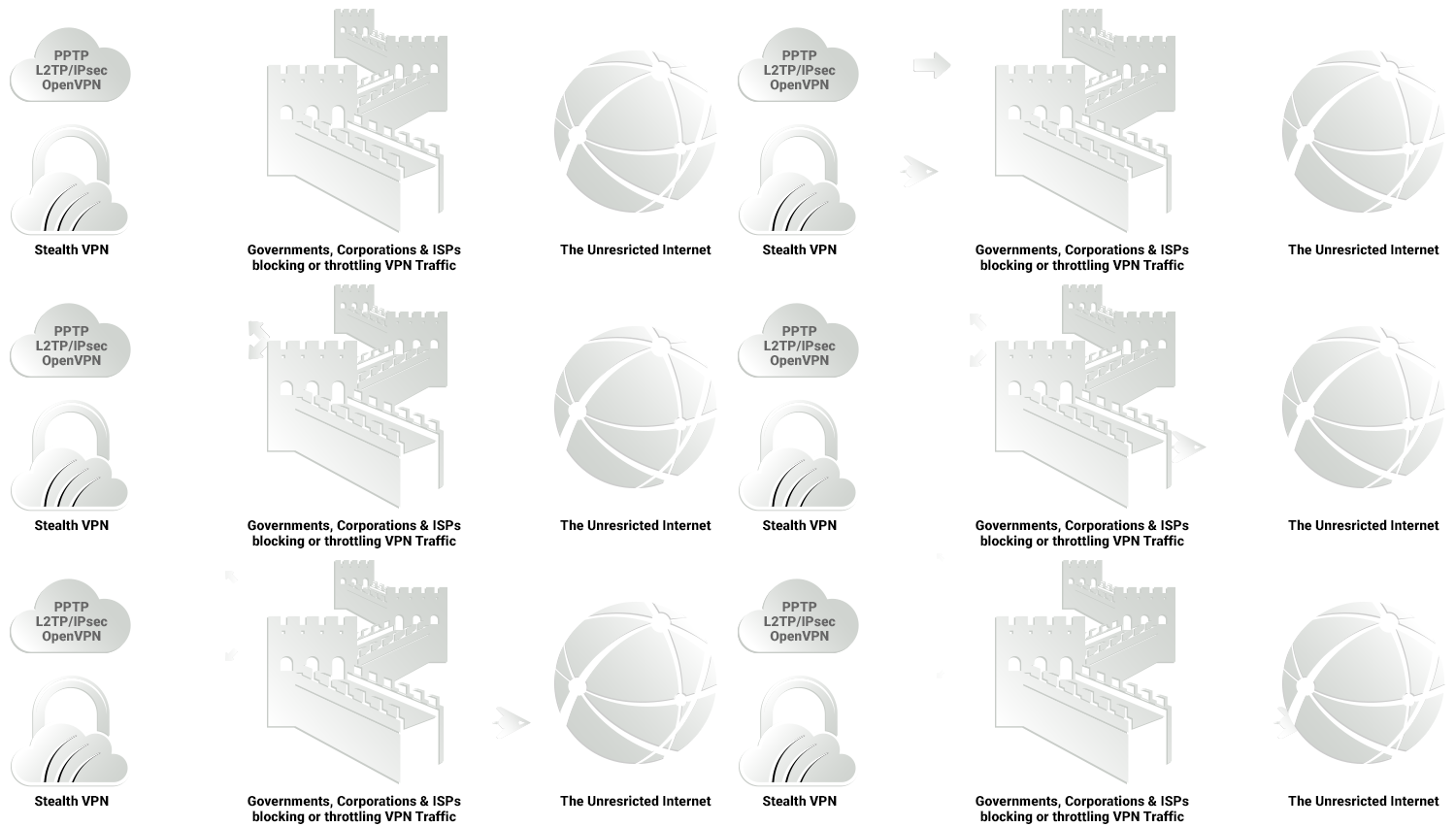
Stealth VPNs take additional masking precautions, going so far as to successfully disguise the information contained within the packet. Instead of indicating VPN use, these packets will be disguised to look like normal run of the mill HTTPS traffic, which accounts for the overwhelming majority of internet browsing.
The absence of the VPN signature will allow people to utilize VPNs without ever being flagged for doing so. The only way an ISP or tracking agency would know you were using a Stealth VPN would be to physically witness you logging into one, that is the “handshake” moment. If you are browsing from the privacy of your own home, chances are slim to none that you’ll ever be discovered. You will be able to access the internet freely without fear of repercussions.
TorGuard’s Stealth VPN
All of TorGuard’s Stealth VPN protocols work perfectly in Pakistan. We offer a number of stealth VPN options but the default method, OpenConnect Stealth VPN, remains the most popular. Simply select OpenConnect as your tunnel type when you launch TorGuard VPN. It doesn’t require much effort and it will keep you protected.
Alternatively, you can select OpenVPN as your tunnel type and choose VPN Port 4443 as your port. From there, you can tick the “STunnel enabled” box to add a second layer of security on top of your stealth connection. Another second layer obfuscation option is to enable Stealth proxy (Shadowsocks) in the settings proxy tab. These methods help to bypass more extreme blocks, but is not always necessary in every country.
TorGuard believes that everyone, everywhere should have freedom to access information and read the news – whether the government agrees or not. We’ve worked hard to create thousands of servers in dozens of countries all over the world to provide the fastest browsing speeds at the highest standard of security. Law abiding citizens need not be subject to the undue scrutiny of their governments, and censorship should never impede anyone’s ability to read or learn. We pride ourselves on creating safe and effective workarounds for individuals who simply want knowledge and privacy.