

There’s a headline you never expected to see. In the digital age, the post office almost feels obsolete. These days, electronic transmissions can easily be sent securely. Important documents can be digitally signed online. Paper is nowhere near as important, and many people are opting to receive less of it.
It seems to be that the only meaningful connection between the post office and the internet is online shopping. You buy something, and the post office brings it to your doorstep. So how in the world are they watching you?
Your Mailman Has Been Running a Covert Surveillance Op for Years
It’s absolutely baffling to consider that an internet surveillance operation would fall under the purview of the post office, but that’s exactly what happened. The Internet Covert Operations Program (iCOP) is not run by the FBI or CIA, but by the people responsible for raising the price of stamps.
The most troubling fact about iCOP is that it’s fully fledged, high tech, and extremely invasive. This isn’t a half measure, but a well-thought out program that utilizes complicated technology like facial recognition and artificial intelligence to monitor social media activity on nearly every major platform.
The goal of iCOP is to allegedly assist with Inspection Services investigations involving cryptocurrency, dark web purchases, and illegal importing. It’s doing much more than that. It’s also following protests and protesters, and something called “dangerous mail.” It’s unclear what may constitute dangerous mail. Improperly packaged perishable goods and certain types of batteries that have been improperly labelled may fall under this umbrella.
What Are They Doing?
The iCOP team creates sophisticated fake identities and uses them to gain access to social media profiles. In simple terms, they’re catfishing people with fakebooks and finstas to gain access to private information that wouldn’t be visible to the browsing public.
A wealth of information, including private photos, is then collected and fed to databases that are used for surveillance techniques like facial recognition and keyword tracking. Like with most surveillance programs, the details aren’t entirely clear to the general public.
Why is this in The Post Office’s Hands?
It’s baffling that the post office would be tasked with such a sophisticated surveillance program. A great theory would be that it’s a way to circumvent restrictions put in place to limit the powers of the FBI and the CIA. These government organizations are supposed to abide by strict protocol to protect the information of private citizens who are not under criminal investigation.
The post office is outside of that scope. The USPS is not technically part of the government. It’s a business heavily subsidized by the government. This would free them from binding obligations and restrictions regarding what they can and cannot do with data. They aren’t held to the same standard.
The Government Will Continue to Find Clever Ways to Spy On You
Always be mindful of what you post online. Any image, even if you believe it to be private, can be stored in a government database. Nothing you say on the open internet is truly secure unless you’re transmitting that information with end-to-end encryption.
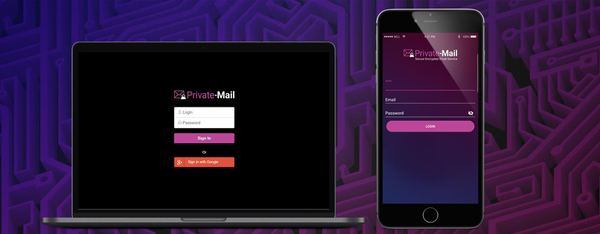
TorGuard VPN and PrivateMail prevent internet service providers and governments from intruding. Your browsing activity cannot be monitored when you use TorGuard VPN, and with stealth mode, no one will be able to determine that you’re even using a VPN. PrivateMail provides end-to-end encryption for all messages and attachments, including cloud storage for private documents or photos you may not want people to see. Your drunken vacation in Mexico is certainly no business of the Post Office, and using the right tools will help to assure they never know a thing about it.