

This past Thursday, the Obama administration removed all digital sanctions in place that for the past twenty years have prevented US based companies from (legally) exporting digital goods like mobile phones, web hosting, Anonymous VPN Service, and more – to Iran.
This five-page document recently published by the Treasury Department’s Office of Foreign Assets Control (OFAC) has immediately authorized the following transactions:
(1) The exportation or re-exportation, directly or indirectly, from the United States or by US persons, wherever located, to persons in Iran of fee-based services incident to the exchange of personal communications over the Internet, such as instant messaging, chat and e-mail, social networking, sharing of photos and movies, Web browsing, and blogging.
. . .
(4) The exportation or re-exportation, directly or indirectly, from the United States or by US persons, wherever located, to persons in Iran of consumer-grade Internet connectivity services and the provision, sale, or leasing of capacity on telecommunications transmission facilities (such as satellite or terrestrial network connectivity) incident to personal communications.
This initiative is part of a broader plan to revise American sanction law against Iran. These new changes to sanctions make it legal for US based to provide online services, VPNs, mobile apps, and anti-censorship software solutions to the people of Iran. Of course, it’s no secret that many Iranians have been accessing these materials for years, however many analysts expect these new changes will have both a practical and political economic impact.
Do all VPNs work in Iran?
No. Just because Obama said it was OK, doesn’t mean the state-mandated filtering system approves of your “non-Islamic” download request.
Iran’s internet filtering regime is backed up by a series of laws that control the publication of any sensitive information. Individuals who subscribe to Internet service providers (ISPs) must personally promise in writing not to access “non-Islamic” websites. The laws also require ISPs to install filtering mechanisms that cover access to both Web sites and e-mail requests. Punishment for violations of content-related laws can be harsh. In additional to filtering requests, most common VPN protocols like PPTP and some OpenVPN are currently blocked in most areas.
When searching for an Iran VPN, it is important to make sure it will work while accessing the internet within Iran.
TorGuard Stealth VPN service is a privacy tool that empowers one to bypass censorship anywhere in World, and in Iran. Unlike normal VPN traffic which can easily be filtered or blocked by an Iranian ISP, TorGuard Stealth VPN service will appear as regular HTTP traffic making it virtually impossible to block. This VPN service connection also features increased encryption protocols making it the most secure VPN experience possible, worldwide.

See the Internet the way it was Meant to be: Open and in its Entirety..
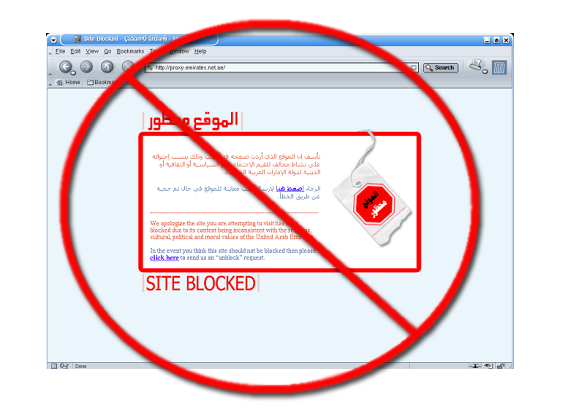
Unblock your favorite programs, websites and HD Streams regardless of what country you live in. With TorGuard Stealth VPN service you can now access websites like Facebook, Youtube, and Google anonymously. Don’t miss out just because it’s blocked in your country – Reclaim the web with TorGuard Stealth.

Access Stealth VPN Servers at no Extra Cost..
Stealth VPN service access is included in all VPN memberships at no additional cost. Access 100+ blazing fast gigabit VPN servers in the United States, United Kingdom, Canada, Netherlands, Romania, Russia, Switzerland and New Zealand. OpenVPN, PPTP, L2TP and Stealth Mode, are included in all VPN packages at no extra charge. Sign up for VPN service today to anonymously unblock your internet!