

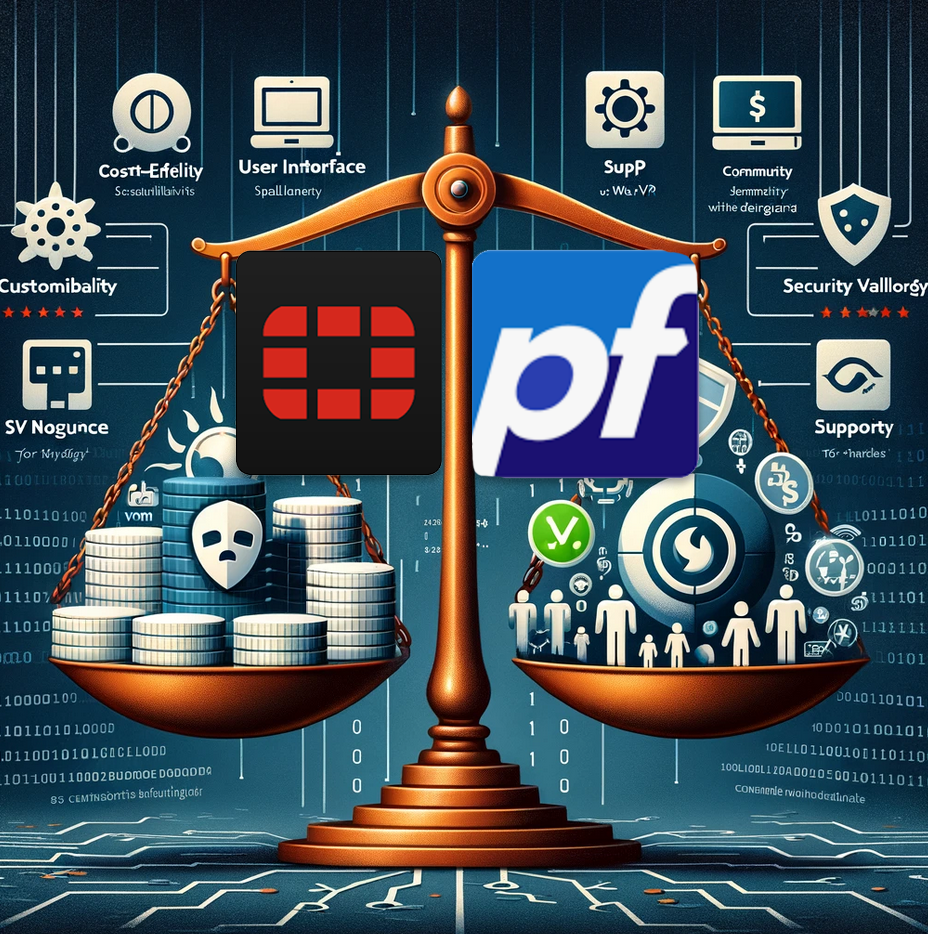
In recent times, the cybersecurity landscape has witnessed significant shifts, urging organizations and individuals alike to reassess their network security infrastructure. Among the myriad of choices available for securing network perimeters, Fortinet's FortiOS and the pfSense Community Edition with WireGuard support stand out. However, these platforms cater to distinct user bases and have their unique sets of features, advantages, and challenges. This article aims to dissect these differences, particularly in light of recent events that have cast a spotlight on the vulnerabilities within some of the most trusted systems.
Zero day zombies. They just keep coming...
Introduction to the Security Paradigm Shift
Fortinet's FortiOS has recently been under scrutiny due to severe zero-day vulnerabilities discovered over the past months. These vulnerabilities have not only raised concerns about the inherent risks associated with closed-source platforms but also highlighted the limitations of legacy SSL VPN tunnels. Once considered the gold standard for secure remote access, SSL VPNs are now being eclipsed by more modern and secure technologies like WireGuard. This shift is not merely a matter of technology evolution but a critical reassessment of what constitutes secure, efficient, and cost-effective network protection in today's cyber environment.
WireGuard, in contrast, offers a lightweight, high-performance alternative that integrates seamlessly with the pfSense Community Edition. This combination has emerged as a formidable competitor to traditional solutions like FortiOS, offering enhanced security, better performance, and a more favorable cost profile. (The pfSense Community Edition is Free.) Most importantly, the open-source nature of pfSense and WireGuard support makes it a versatile choice for companies looking to secure their edge firewalls without the hefty investment required by proprietary solutions.
Fortinet vs. pfSense: A Comparative Analysis
Cost Considerations
Fortinet's solutions, encompassing both hardware and licensing, represent a significant upfront investment, potentially placing them out of reach for smaller enterprises or those with limited IT budgets. Conversely, pfSense stands as a beacon of cost-efficiency in the cybersecurity domain. As an open-source platform, it eliminates licensing fees, offering a budget-friendly alternative without sacrificing security or functionality.
User Interface and Customization
Fortinet prides itself on a user-friendly graphical user interface (GUI) that caters to users seeking simplicity and minimal configuration hassles. However, this simplicity comes at the cost of limited customization. pfSense, with its extensive configuration options, appeals to advanced users who prioritize the ability to tailor network settings to precise requirements, offering a level of flexibility that Fortinet's GUI does not.
Support and Community
While Fortinet provides comprehensive technical support, the associated costs can be prohibitive. pfSense, relying on community-driven support, exemplifies the strengths and challenges of open-source projects. The vast repository of community knowledge can be invaluable, especially for experienced users. However, it may not suffice for those requiring immediate, professional support.
Scalability and Performance
For large enterprise networks, Fortinet's high-performance solutions are designed to meet demanding requirements. pfSense, on the other hand, offers remarkable versatility. It can be deployed on a wide range of hardware, from low-end PCs to high-end servers, making it an ideal choice for organizations of various sizes, particularly those looking to scale their operations without a corresponding increase in cost or complexity.
VPN Support and Security
The integration of WireGuard into pfSense represents a leap forward in VPN technology, offering superior speed, security, and simplicity, especially when used in conjunction with TorGuard VPN. This modern approach to VPNs starkly contrasts with the legacy SSL VPN offered by Fortinet, providing a compelling reason for users to consider the switch.
Addressing Security Concerns
The recent vulnerabilities in FortiOS underscore the risks associated with closed-source software, where users are dependent on the vendor for timely patches and updates. pfSense, as an open-source solution, benefits from the scrutiny of a global community of developers and security experts, fostering a secure and resilient platform managed through collective effort.
A Strategic Pivot Towards Open Source
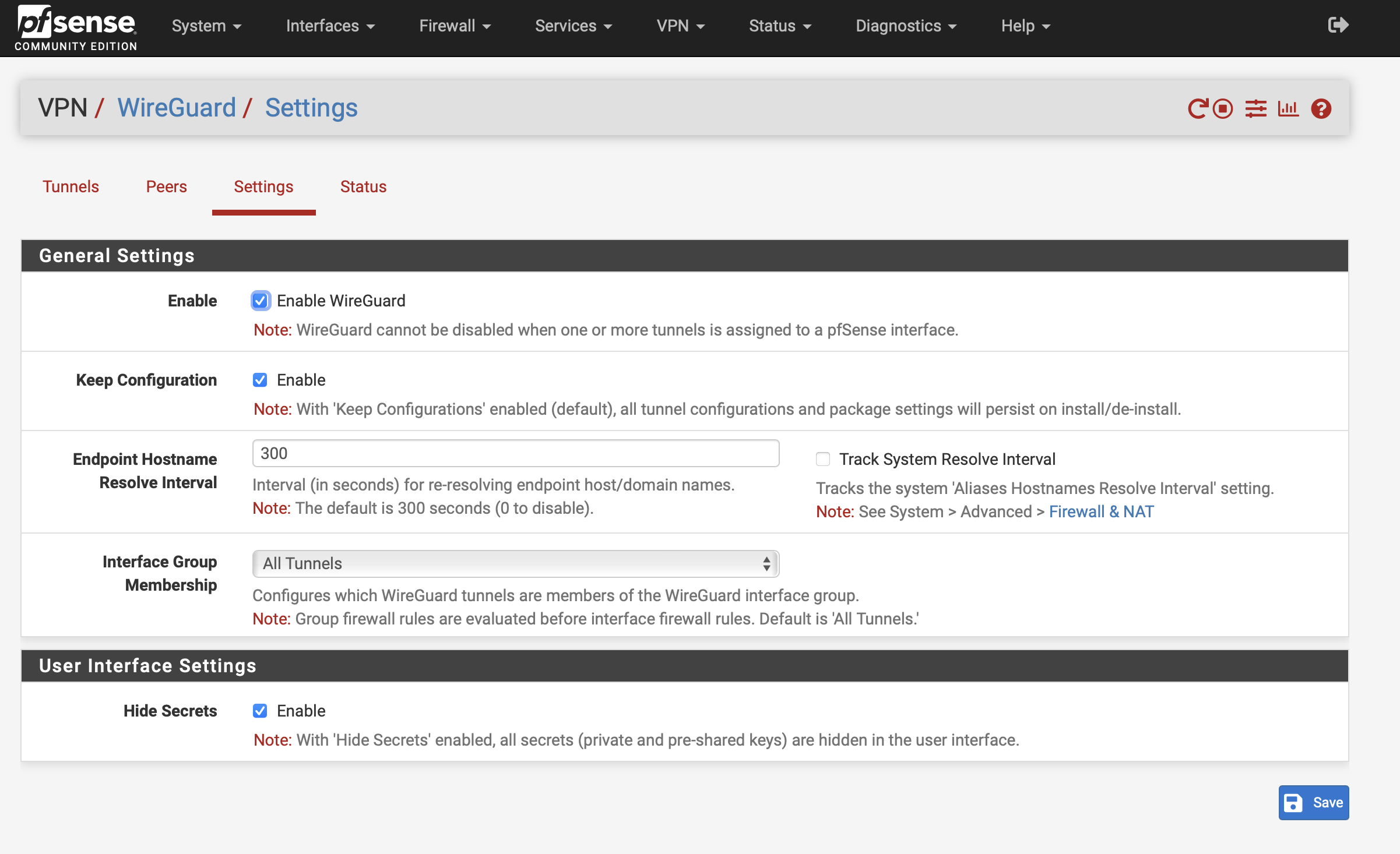
The comparison between Fortinet's FortiOS and the pfSense Community Edition with WireGuard support illuminates a broader trend in network security: the pivot towards open-source solutions. This shift is driven by the desire for cost-effective, flexible, and secure network management options. While Fortinet offers a range of built-in security features and a user-friendly interface, the cost, scalability challenges, and recent security vulnerabilities may deter potential users.
In contrast, pfSense, bolstered by WireGuard support and a vibrant community, presents a compelling alternative. It embodies the principles of open-source software, providing a secure, customizable, and cost-effective solution for companies of all sizes. As organizations continue to navigate the complexities of modern cybersecurity, the choice between proprietary and open-source solutions will increasingly hinge on a strategic assessment of cost, performance, security, and the ability to adapt to an ever-evolving threat landscape.
In the dynamic realm of network security, smaller businesses often face the dual challenges of limited resources and the absence of specialized sysadmin capabilities necessary for deploying and maintaining VPN infrastructure. This is where the advantage of partnering with a business VPN provider like TorGuard becomes evident. TorGuard not only offers a vast VPN server network, featuring thousands of servers across more than 50 countries but also provides secure remote VPN access solutions tailored to the unique needs of businesses. Furthermore, TorGuard's in-house support team stands ready to assist with configuring pfSense, ensuring that even organizations without dedicated IT departments can benefit from a high level of customer service and support. This combination of extensive infrastructure, tailored solutions, and expert support makes TorGuard an ideal partner for businesses seeking to navigate the complexities of modern cybersecurity without the burden of managing their VPN infrastructure in-house.
TorGuard Business VPN services offer a FREE 30-day trial to qualified businesses so you can assess if our solution meets your organization's needs. Contact us today for more information!