

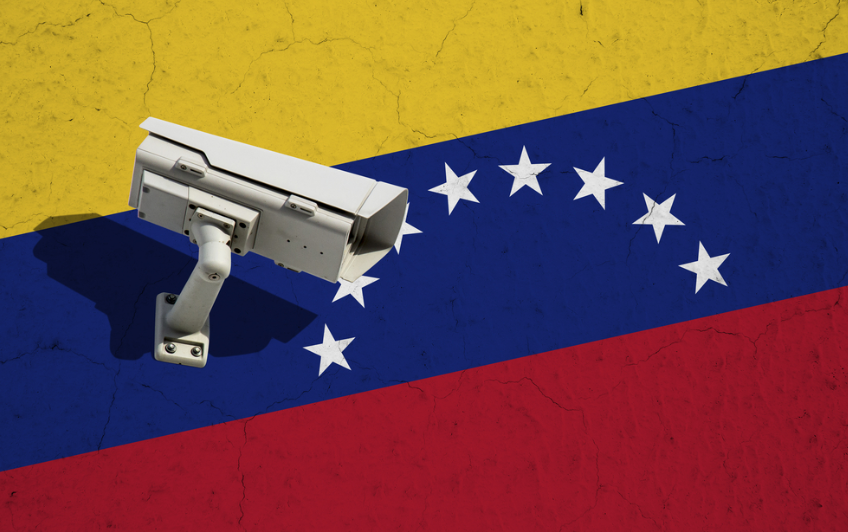
Due to protests, Venezuela is increasing its control over its internet and expanding its online surveillance. The reason being that the country is in a state of crisis after anti-government protests caused over 50 deaths due to police related incidents.
Nicolas Maduro is the source of contention, since he used emergency powers in 2015 without congressional approval. At the time, Maduro claimed these powers were used to fight an “economic war”. Maduro raised taxes on alcohol and tobacco despite a failing economy. These changes have translated to more and more protests over time, and now in 2017, the government is finally trying to shut things down.
Due to increasing numbers of protests, the government has begun to shut down TV programs broadcasting and covering news on protests. In addition, the government is now harassing journalists preventing them from spreading news. Stations like Vivoplay.net, elcapitolio.tv, and vpitv have been blocked at the root DNS level, whereas other websites are being subject to large scale DDOS attacks.
In an effort to circumvent other news platforms, citizens started using SMS messages between phones to share information and coordinate protest gatherings. In response, Maduro ordered a court investigation into phone company Movistar, claiming that it was supporting government opposition.
In response to these attacks, critics like the Nations Human Rights Commission have spoken out. “A large part of televised media is under government control, while the private sector operates with restrictions due to expired licenses that public authorities have refused to renew in more than two years. These restrictions are disproportionate and incompatible with international standards.”
Since TV stations and SMS messaging have both been heavily censored, Venezuelan users have moved to apps like Instagram, Snapchat, Facebook, Twitter and WhatsApp. Even if these apps get censored, users can still bypass censorship and DNS blocks with a VPN, since a VPN like TorGuard assigns a new DNS and encrypts all activity through the Virtual Private Network.
In response to these new developments, Maduro still seems to be fighting back with propaganda campaigns. While Venezuela keeps breaking out in protests and violence, and while citizens struggle with free speech, Maduro is flooding the social media servers with positive images showing that everything is “ok”.
These images, when compared with the reality of the situation (that being bloody protests and violence), has created some disturbing juxtapositions in the media. While spreading his own lies, Maduro claims that the internet is being used as a place to facilitate hate speech and to damage the economy
