

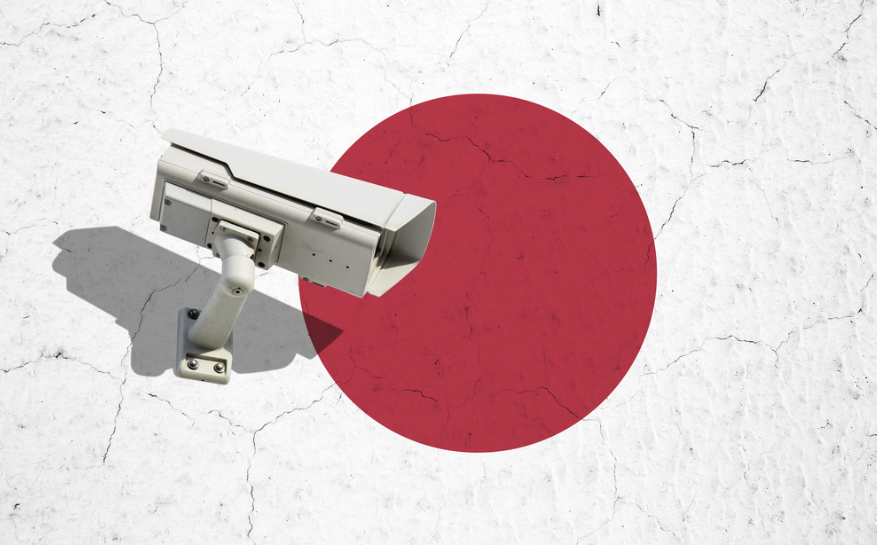
Japan has just passed a controversial law with huge potential fallout. This bill has been called the “anti-conspiracy bill”. The new law criminalizes the plotting and committing of multiple acts including terrorism, but also other minor offenses.
In totality, there are 277 acts of crime. The wording of the bill is intentionally vague, and anyone suspected of planning any of these acts could be targeted with surveillance. The reasoning for the enhanced powers is to “increase security before the Japan 2020 olympics”.
Some offenses include the following:
- Conducting sit-ins to protest against building project
- Copying of copyrighted music
- Avoiding paying consumption tax
- Using counterfeit stamps
- Taking part in motor boat races without a license
For serious crimes, there can be prison terms up to five years. While protests have formed outside the ruling, Prime Minister Shinzo Abe forced it through the government on June 15th. “We would like to implement the law appropriately and effectively in order to protect the lives and the assets of the Japanese people,” Abe said on Thursday.
What’s Wrong with the New Law?
On surface law, the offenses and punishments make sense. However, critics like Joseph Cannataci, of the UN, have found fault with the wide range and scope of the new laws. “I am concerned by the risks of arbitrary application of this legislation given the vague definition of what would constitute the “planning” … and given the inclusion of an overbroad range of crimes … which are apparently unrelated to terrorism and organized crime,” he said.
Other critics think that the new law gives too much freedom and liberty to the police in deciding what constitutes a crime or criminal organization.
Party Leader Renho thinks that the legislation is “brutal”, and in some cases, an enemy to free thought and speech. The law can include petty crimes. Japan’s justice minister was even mocked after conceding that “mushroom hunting” could be a crime if said mushroom fungi was sold to raise money for terrorist activity. Other things like copying music could also be used to fund terrorist activity.
In addition to the wide gaps in the legislation, critics also surmise that the new law will make surveillance powers even more powerful providing new grounds for wiretapping and other snooping methods.
Koichi Nakano, a political science professor in tokyo compared the new laws to the Peace Prevention law enacted in 1925. “The law was abused, it persecuted communists, and then religious leaders, leaders and ordinary people,” explained Nakano to CNN.
“Unless a crime in committed in Japan, you don’t get punished … now if they think you are thinking of preparing to commit a crime, even before you’re arrested, you’ll be put under surveillance. It leads to a substantial expansion of police power to investigate people and put them under surveillance.”
TorGuard VPN Can Protect You in Japan
TorGuard offers a number of fast Japan VPN servers to choose from with the best encryption ciphers and new OpenVPN/Openconnect VPN protocols. You can even hide your use of the VPN with StealthVPN and Stealth Proxy to make sure your ISP doesn’t suspect any VPN usage. Your web browsing habits are no one’s business but your own!