
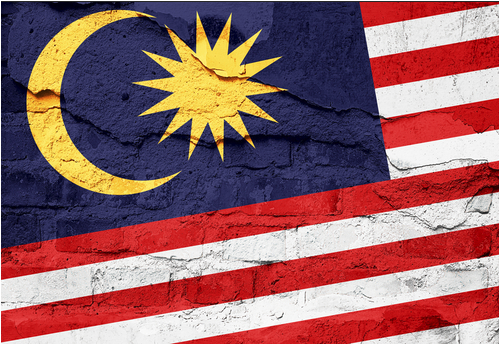
Malaysia is now becoming the new hot spot for internet censorship. Earlier this year, they blocked the entire blog website, Medium.com. This site was reportedly blocked for hosting articles from the Sarawak Report, which covered corruption in the Malaysian government.
Details include stories about millions being stolen by the government were shut down after Medium failed to respond adequately to requests. To stop the spread of news, the Malaysian government simply blocked the entire website, which is host to thousands of bloggers and voices on the internet.
Now, the Malaysian government wants to extend its governmental control over the web by pushing forward a new law. One major component of the new pending legislation is that the Malaysian government wants to remove the intermediary liability protections of server providers.
This essentially means that websites and companies can be held responsible for users on the site or the news content available. If someone on Twitter is talking about Malaysian government controversy, the Malaysian government can easily block the entire website.
Fortunately, public interest groups are fighting back against these censorship regulations by spreading the news about its possible impact. Here are some of their concerns:
These changes, if introduced and passed by Parliament, together with the amendments to restrict bail for all offenses under Section 124 of the Criminal Procedure Code, which has been used against activists and the media. Both the amendments will have combined effect of entrenching censorship in an environment already heavily regulated for the media and publishing.
It is regrettable that the government has done little consultation with stakeholders, proving yet again the absence of political will for open and democratic law making processes in Malaysia. Civil society stands to be most affected by the proposed amendments as we constitute the majority of the internet population, and as such, it is critical that our views and voices are duly recognized and reflected.
We agree that the laws governing the internet need to be reviewed for them to have stronger provisions for privacy and protections for freedom of expression. But these are not being prioritized; instead, we see a pattern of considering laws to extend the powers of the executive to conveniently target media, political opponents and individuals critics.
Malaysia is only one example of several countries that are intent on controlling the internet for their citizens. These countries often use security and terrorists as excuses to cover up their mishaps and corrupt ideals. The result is blocking popular social media platforms that enable users to communicate and spread important ideas in the modern age.
To circumvent censorship in Malaysia, or in places like Iran, China, or even Australia, you will need to utilize TorGuard VPN service. TorGuard VPN is the fastest and most powerful VPN to use anywhere in the world with more servers and countries available than any other VPN.
With Torguard VPN, you can rely on consistent updates and improvements that make accessing the internet protected even easier by the day.