

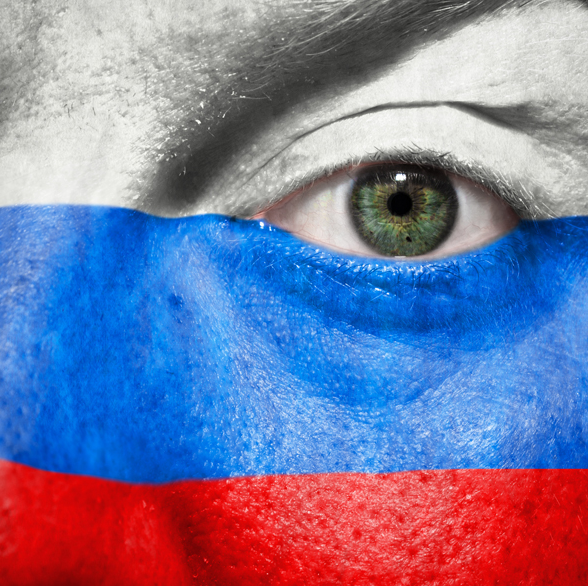
If you’re in Russia, things aren’t looking good for internet freedom. Around the world, the Internet is becoming censored with giant projects like China’s “Golden Shield Project” which use techniques like deep packet inspection to block websites and monitor user traffic on a massive scale.
We covered our thoughts on Russia’s intent to build their firewall in early May, and now it looks like those regulations and intentions are bearing some devastating fruit now in the middle of 2016. A massive surveillance bill is now becoming law in Russia.
This new law disguises itself as a law of “anti-terrorism”–as all overreaching censorship laws hide. This law acts in the same way that Chinese users can’t access YouTube or Twitter–since it might be too dangerous.
The law includes a vast data collection program which gives Russian telecom and internet companies the ability to record customer communications for six months. To do so, the Russian government would be spending upwards of trillions of dollars. Russian based Internet firms will also have to provide backdoor access for Russian spy agencies.
The new law passed with flying colors attaining 277 votes against 148 against it. It’s now moving to Russia’s Federal Council and the Kremlin where it’s expected to pass.
Services like Whatsapp, Viber, and even Telegram were called out by the law makers, and any service that refuses to give out personal information and data in Russia could be subject to noncompliance fines for $15,000.
Not only that but the prison term facing internet offenders who are guilty of “inciting terrorism on social media” will have to go to prison upward of seven years. Also, not informing authorities about terrorism could itself be a criminal offense with a potential sentence up to two years. The final straw is that you also can’t preach religion without a state permit.
While the law invades personal freedom and restricts the internet and free speech in a horrible way, the entire legislation and backdoor approach is a breach in cybersecurity. Giving exclusive access to encrypted data leaves data vulnerable to hackers everywhere in the world.
To preserve your Internet freedom and data in Russia, you need to make sure that you are using a virtual private network like TorGuard. TorGuard VPN sends your traffic through a secure virtual tunnel that encrypts your data and changes your IP address so you can unlock geo-restrictions that Russia enforces and keep your data safe from hackers, the government, and even internet service providers.
