

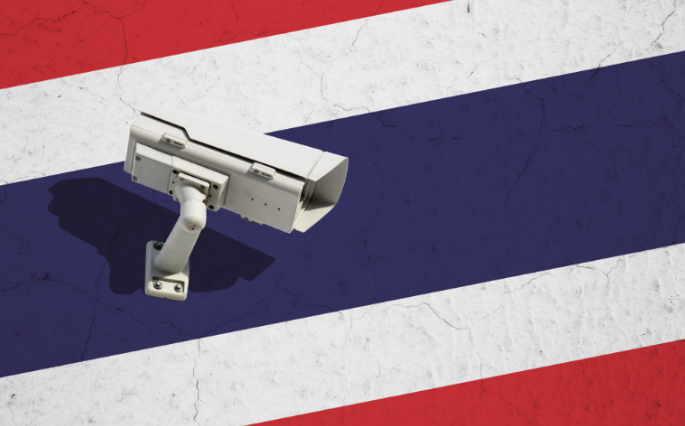
Thai authorities, known as the military junta, have been known to increase internet censorship since it accessed power in May 2014. They recently requested that Facebook remove 131 posts from its network, or face legal action. They made the request through the National Broadcasting and Telecommunications Commission. According to local authorities, the content of the posts violate the Kingdom’s lèse-majesté law, a specific and draconian legislation meant to protect the image of the royal family, also used to curb dissent in the country.
Facebook has been known to occasionally comply with such governmental requests in the past, and it appears they did agree to take down the content in this case as well, as the network has proved to be up and running despite being given until Tuesday to remove the content deemed insulting to the royal family. Hours before the deadline, internet providers, represented by TISPA, said they were under government pressure to shut down access to Facebook. According to the authorities, about 6,900 offensive websites and online posts have been blocked in the country since 2015.
The government has also reportedly asked Google to block offending material visible on its platform. In a statement emitted last year, the company declared that when notified that some content is illegal in a certain country, “[they] will restrict it in the country where it’s illegal after a thorough review.”
Royal defamation is a very serious matter in Thailand, and violators of the law can be sentenced to up to 15 years in jail. Complains can be filed by anyone, against anyone, and at any point in time: more than 100 people have been arrested on lèse-majesté charges since Thailand’s junta took control of the country in 2014, according to local activist groups.
Facebook appears to have started removing some of the reported content, even though it would seem that some of the posts flagged as violating the law are still up and visible in the country. Thai authorities have shown recent signs of tightening its already strong grip on the country’s Internet, resulting in thousands of websites being blocked and new cyber-security laws being put in place. The infamous social media makes no exception to those laws, and the threats appear to have worked, since the secretary general of the National Broadcasting and Telecommunications Commission announced after the deadline that Facebook had decided to cooperate.
“We found Facebook did not block the remaining 131 posts because it has yet to receive the original court orders to block them,” Takorn Tantasith said. “After Facebook received the original court orders, it blocked them within 24 hours.”
The Bangkok Post reported earlier that the Thai Internet Service Provider Association (Tispa) was seriously considering disconnecting access to Facebook’s servers.
A Facebook spokesperson later declared the company reviewed requests by governments in order to restrict access to content. “When we receive such a request, we review it to determine if it puts us on notice of unlawful content.
“If we determine that it does, then we make it unavailable in the relevant country or territory and notify people who try to access it why it is restricted.”
The Thai junta has not publicly released details of the illegal posts it wanted banned from Facebook, but it isn’t afraid to show its strength: the military-run administration had already briefly cut access to Facebook on 22 May 2014 after its coup. Since then, Facebook opened an office in Thailand as it is the biggest social network in the country.
The local cyber security and lèse-majesté laws are among the strictest in the world, and Thai authorities are very susceptible to abuse them, according to legal experts.
