

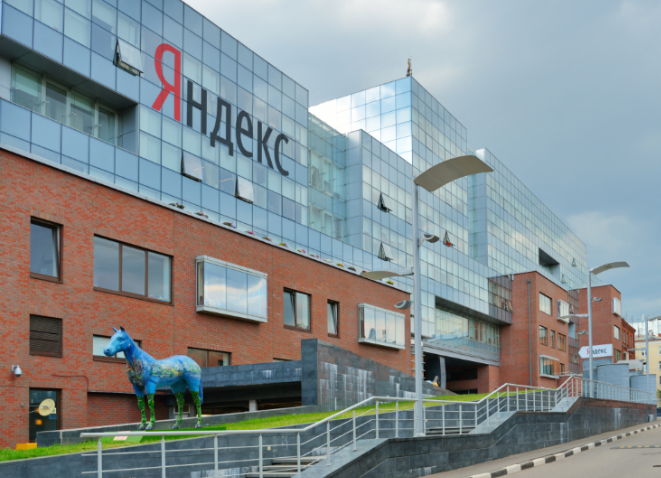
With online censorship being all the rage in 2017, Ukrainian president Petro Poroshenko has set in effect a country wide ban against popularly used email services and search engines. This decree was posted late on Monday, banning networks like VK and Odnoklassniki, the email service Mail.ru, as well as the search engine, Yandex. These websites are among the most popular websites in the Ukraine. The decree enforces that internet service provides uphold restriction to these sites for three years.
This decree not only blocked most major websites in the Ukraine, but it also blocked cyber security company Kaspersky Labs. Additionally, several Russian TV channels, banks, and business software’s are to be blocked soon.
Poroshenko announced his reasoning in his post on his official page. Poroshenko thinks that social networks are more dangerous than they are useful, since cyber-attacks and interference in the French election have caused serious political issues. Despite claiming that he has attempted to fight propaganda by using social media, Poroshekno thinks that it is now time to try a different tactic–one of censorship, to act “more decisively”.
On Tuesday, most of the sites still seemed to be working fine for most Ukrainian internet users, but the national security and defense council said that mechanisms are being developed to stop access. Major internet service provider Ukrtelecom announced it had begun the process of blocking the requested sites.
The real kicker is that the proceedings and blockage of websites might not actually be within the scope of the law. Mykhailo Chaplyga, representative of the Ukraine parliament commissioner for human rights, spoke out saying that “blocking access to sites without a court decision is not allowed” under Ukrainian law. Despite this, the new ban seems to be moving along, although many critics are skeptical. Many users in the Ukraine and Russia already are using VPNs like TorGuard to circumvent blacklisted websites and restrictions.
VK, known as VKontakte, a large social media service, told the Russian site TJournal that the “internet by its nature doesn’t have borders”. The company promises to defend the interests of its users. However, several Ukrainain politicians seem to be in favor of the ban since they believe that social media presents a security risk that can allow Russia intelligence access to their data.
The real question is how effective this ban will be and what precedent it sets for Ukrainian internet in the future. As is common with censorship and blocked websites in other countries around the world, Ukrainian citizens are not happy with the new ban. For now, those in Ukraine can easily unblock VKontakte and other websites by using VPN service.
11,000 respondents answered an online poll on the UNIAN website in which 66% answered that they were against the ban of websites. Some 11% said it would “just be easier to ban the whole internet, like in North Korea.”
