

Over the past decade, Twitter had been a sanctuary for those in China who sought a respite from the pervasive censorship on domestic social media platforms. A platform where people could freely express their thoughts without the fear of their accounts being arbitrarily terminated. The phrase, "There are no sensitive words, no messages that can’t be displayed ‘according to the relevant laws’, and no risk of having our account shut down at any moment," once encapsulated the sentiment of a user in China back in 2016.
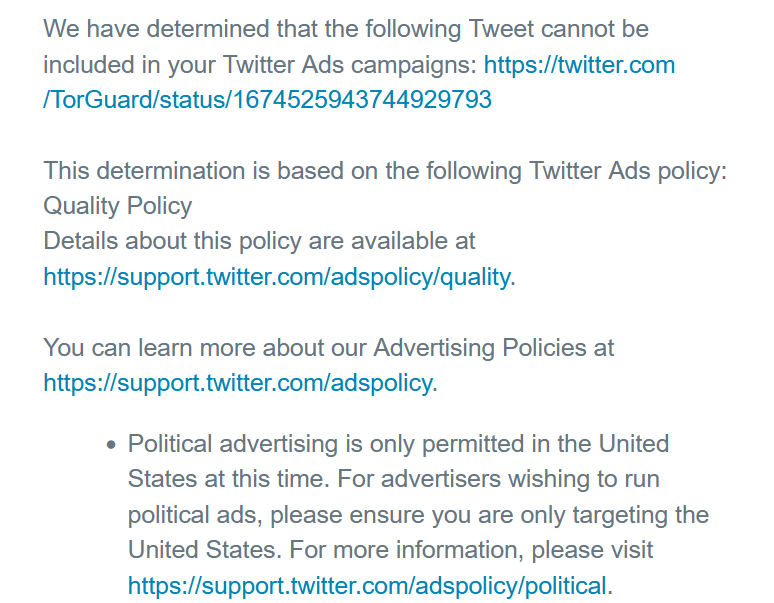
Unfortunately, the recent changes that have come about following Elon Musk's takeover of Twitter paint a disheartening picture of the future of the platform. The situation has deteriorated to the point where TorGuard, like many other entities, has decided to discontinue its presence on Twitter. The final straw for us was Twitter's cancellation of our promotions in Hong Kong, due to so-called "political" reasons. We hoped that Twitter would continue to be a platform for global discourse and freedom of speech, but recent events have made it evident that this is no longer the case.
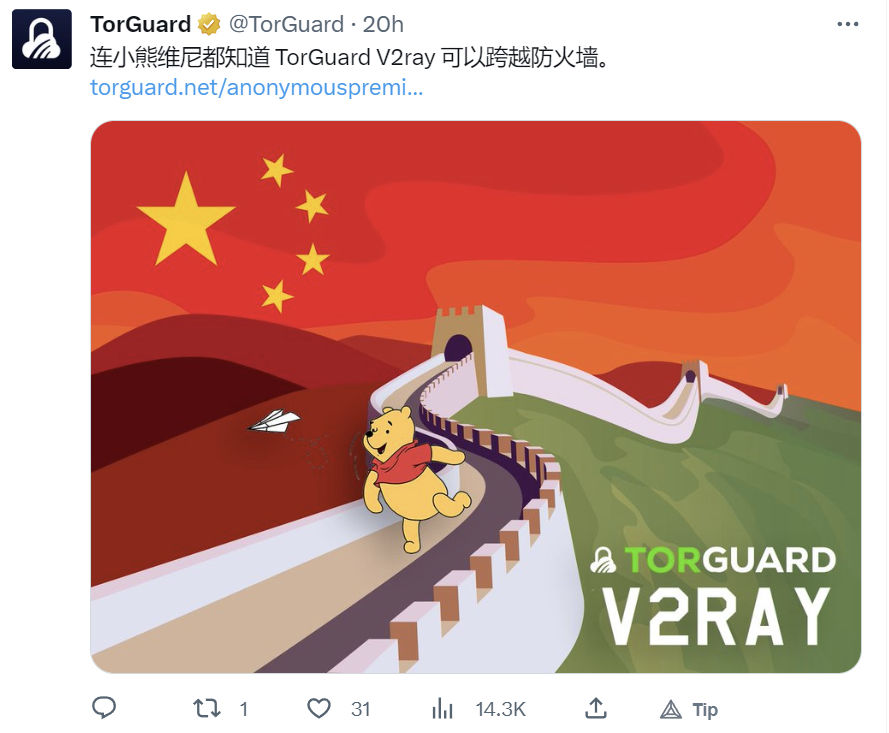
While Twitter has been traditionally quick to react to requests to protect the accounts of Chinese human rights defenders, Musk's acquisition of the platform has shifted the dynamics between Twitter and China, generating valid concerns among its users. The situation has only been exacerbated with the dismissal of key personnel responsible for trust and safety on the platform and the establishment of a content advisory board under Musk's command.
There's a burgeoning worry about how the platform will handle disinformation campaigns, organized trolls, and attempted censorship by governments, particularly considering the renewed influence of the Chinese government on the platform's content.
The disconcerting influence of the Chinese government isn't limited to Twitter, but extends to other multinational corporations who've bent under pressure to retain access to China's market. For instance, Apple removed hundreds of VPN apps from China’s App Store, hindering users from circumventing government censorship. Similarly, Zoom faced allegations of infiltration by an agent affiliated with the Chinese government which led to shutdown of meetings discussing the Tiananmen Square massacre.
Twitter's surrender to this pattern of censorship and influence, marked by our own experience of having promotions cancelled due to political reasons, confirms the fears many had about China's increasing sway over the platform post-Musk's takeover. We had hoped Twitter would be a bastion of free expression and discourse, but it seems to have been significantly compromised by commercial interests and political pressures.
In line with our commitment to internet freedom, TorGuard cannot stand idle as these events unfold. Hence, we've decided that our post today will be our last on Twitter. The platform no longer aligns with our core values of privacy and freedom, and we will continue our mission elsewhere. We'd like to express our gratitude to our community for their support on this platform and we look forward to engaging with you through other means.
Every company, including Twitter, has a responsibility to respect human rights and remedy abuses under the United Nations Guiding Principles on Business and Human Rights. It's a crucial matter that transcends company practices, operations, or the personal beliefs of the company owner. It's not just about users in China or Hong Kong, but the rights and safety of at-risk people around the world. Ultimately, corporate decisions should never be dictated by car sales, especially when they impinge upon freedom of speech and fundamental human rights.
Goodbye Twitter.