

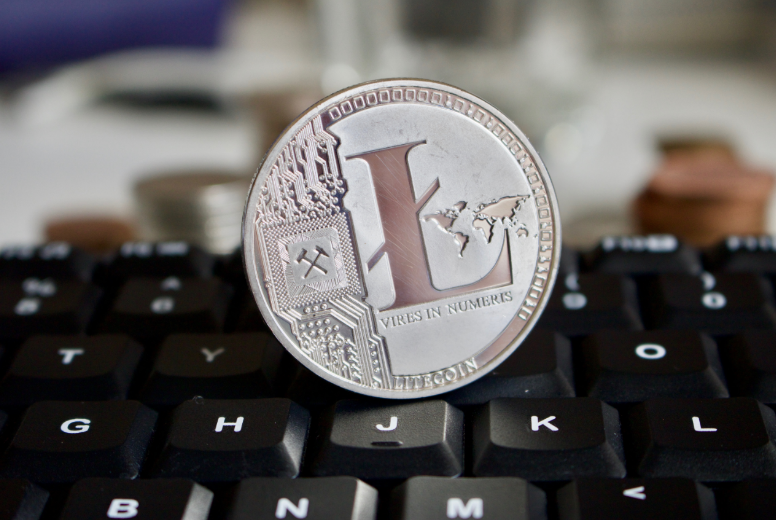
The last twelve months has been an historic time for cryptocurrency. In December of 2016, Bitcoin really started to boom as the price hit $1000. During the next few months, Bitcoin REALLY took off and at the time of this writing it sits around $1900–higher than it’s ever been, and growing still. Other cryptos like Ethereum and Ripple have also grown to take a significant part of the market. But in 2017, we’ve also seen the growth and return of an older altcoin–that being Litecoin.
Litecoin was last big in 2014, in which the price peaked around $40. During this time, Bitcoin was also huge selling around the price of $1200. At the time, Litecoin was thought to be “Bitcoin’s younger brother”. That year, Bitcoin and Litecoin crashed, and the developer of Bitcoin, Charlie Lee, decided that more development for Litecoin wasn’t necessary and that it just needed more merchants and a larger userbase. Even today, this is still true.
Now in 2017, Litecoin has one of the biggest market caps sitting between 1 to 2 billion. This is due to many factors (like Bitcoin’s problems), but mainly due to Charlie Lee becoming increasingly involved with the crypto community. Lee has recruited significant developers (some from Bitcoin) and managed to persuade almost every big Litecoin miner to support Segwit.
Segwit stands for segregated witness, and the core idea is that it increases the block size of Litecoin to support more transactions. While not mandatory for Litecoin due to the way the technology has been built (more scaleable than Bitcoin), it allows for more upgrades in the future for Litecoin like the Lightning Network which speeds up transaction times and lowers payment fees.
Faster, Smaller, Transactions for less money
As of now, Litecoin has activated Segwit whereas Bitcoin has not. Could litecoin become the crypto of choice for small payment amounts like VPN subscriptions? Right now Bitcoin is chugging along with huge transaction fees, slow confirmation times, and unfortunately we have seen this cause some frustrations among our user base. We’ve always been a huge supporter of Bitcoin and cryptocurrency, and we accept almost all forms of cryptos.
But, Litecoin has already seen Lightning network tests, and as interest increases more merchants and users are springing up as the price has risen from around $4 to as high as $35. Bitcoin and Litecoin don’t need to be in contest, and if Bitcoin activates Segwit and the eventual Lightning network, they could work very well together in atomic cross-chain transactions. Yes, sometime in the near future you may buy your coffee and VPN subscription by cross chain swapping some BTC for LTC.
Confidential Transactions for Better Privacy
While Lee has stated that Lighting Network is still the number one priority, he is also excited about the development of confidential transactions for litecoin. The basic idea behind confidential litecoin transactions is that it obfuscates the amount of coins in all inputs and outputs, while simultaneously cryptographically verifying outputs are equal to the inputs using a technique called the Pedersen commitment. While the sender and receiver address will still be publicly known on the blockchain, obscuring the amount of a transaction can help make litecoin a legit fungible digital currency. For privacy conscious VPN users, we believe this can be a tremendous benefit.
TorGuard has seen a 100% increase in LTC payments over the last few weeks. As bitcoin transaction fees increase and confirmation times get longer, litecoin is becoming a faster and cheaper payment option for small transactions. In fact, we now offer 10% off automatically on checkout if you pay your bill with litecoin.