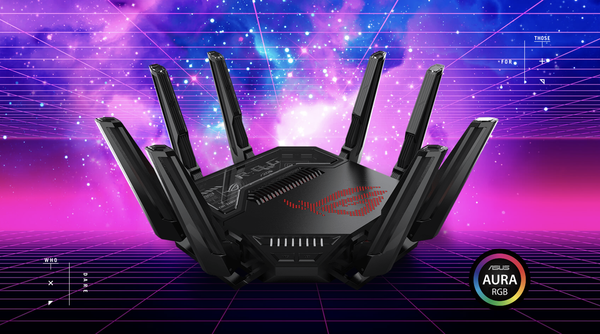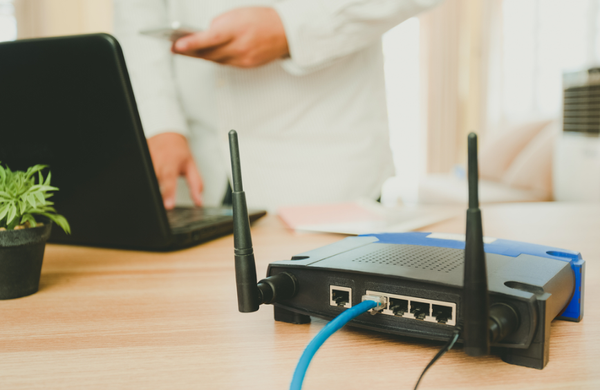


Should you buy a new router? Honestly, it’s not a question a lot of us think to ask ourselves. Sure the TV could be bigger, or the console might need an upgrade–but a router? Really? Well, for all the stress and load we put on our routers (after all, all of the devices above connect to it for Wi-Fi needs) it might need an upgrade more than you realize. Routers do age, and they can perform worse and worse as internals become outdated and wear down from continued heat. Here’re some great reasons to consider getting a new router:
Age Affects Internal Performance
If you’ve had your router for a couple of years, you might have noticed some symptoms. Small outages and slow performance can be the result of damaged internal components that have reached the end of their lifespan. The age of your router depends on how much money you invested in it, as a more expensive router will last you longer but a cheaper one will wear down quicker and the sooner you invest in a newer model with better and fresher components, the more likely your internet speeds will improve.
It’s Missing the Latest Tech
Depending on how old your router is, you could be missing some of the latest and greatest tech that has developed into routers over the last few years. Most routers use 802.11n, but newer Wi-Fi standards include 802.11ac that new router models use. If you have faster internet, your 802.11n router might be negatively capping your Wi-Fi speeds. Newer routers also utilize stronger signals like 2.4 Ghz and 5 Ghz signals through multiple antennae. Some premium models even have dual-core processors that can give an even more substantial edge to internet streaming.
802.11ac makes use of several neat things like beamforming that reduces interference. Overall, routers that support 802.11ac are a great investment even for those who have older chips that don’t support 802.11ac since it’s backward compatible with 802.11n. 802.11ac has much faster Wi-Fi speeds and the speeds excel at longer distances than its older predecessor. Why do you need more reliability and speeds at longer distance?
You Have Lots of People or a Bigger House with more devices
There are tons of things coming out that improve our houses like smart thermostats, web security cameras, special remote lightbulbs–and every one of these devices–while handy–does clog up your Wi-Fi if you don’t have enough power to spread things out.
Buying a new router means investing into the new 802.11ac technology. It’s the new standard for large houses that have multiple devices connected to the router. Most premium and mid-range current devices support 802.11ac like iPhones, tablets, laptops and even smart TVs. It’s worth investing into a new router since it will support 802.11ac–and the advantages of a larger support radius for Wi-Fi and reliable connection is too good to pass down. It doesn’t matter if you’re using an iPhone in the basement, or an Xbox One in the attic–and then a waterproof phone underwater–you’ll get great Wi-Fi speed and reliability wherever you go.
Which Routers do we Recommend?
Our number one recommendation for large houses with multiple devices is the incredibly powerful Nighthawk X6 router. We wrote a detailed article about the X6 explaining the features and usefulness of the device. It’s a 802.11ac tri-band router with three frequency bands (2.4GHz, 5GHz, 5 GHz) that make it perfect for uninterrupted downloads, simultaneous gaming, and even HD streaming. Torguard’s version of the X6 comes pre-flashed with DDWRT management software that makes VPN set-up extremely easy.
For someone still looking for good speeds without a hefty price, the Netgear R6250 is an excellent alternative. It gets three times faster speeds than similar 802.11n tech, contains an 800 MHZ processor, 256 MB memory, 128 MB flash, and has USB 3.0 ports. Torguard’s version of the R6250 comes pre-flashed with DDWRT management software that gives you powerful tools to access VPN to ensure a comprehensive security net throughout your Wi-Fi and ethernet connected devices.