

At TorGuard VPN, our approach is unique. Unlike other VPN services that struggle with connection issues due to blocks, TorGuard VPN maintains reliable connectivity. This is possible because our team is relentlessly dedicated to exploring new methodologies, especially in enhancing our Stealth VPN functionality. Overcoming VPN blocks is a challenging task; strategies that are effective in one region might not be as efficient in another. However, our commitment to finding solutions never wanes.
As DPI Firewalls become more widespread globally, a growing number of users are discovering that conventional VPN protocols, which may have been effective until recently, are no longer viable. We've been alerted that our standard stealth VPN option is facing blocks, prompting our development team to introduce an innovative Stealth VPN feature in TorGuard's apps, powered by wstunnel.
The WStunnel protocol is a variant of the Stunnel protocol offered by TorGuard, and it has been garnering positive feedback for its effectiveness. Currently, it is available for Windows desktop users, with MacOS and Linux compatibility on the horizon. This protocol resembles our Stealth stunnel option, functioning as an OpenVPN connection over web sockets, whereas the Stealth stunnel encapsulates an OpenVPN connection within an SSL layer.
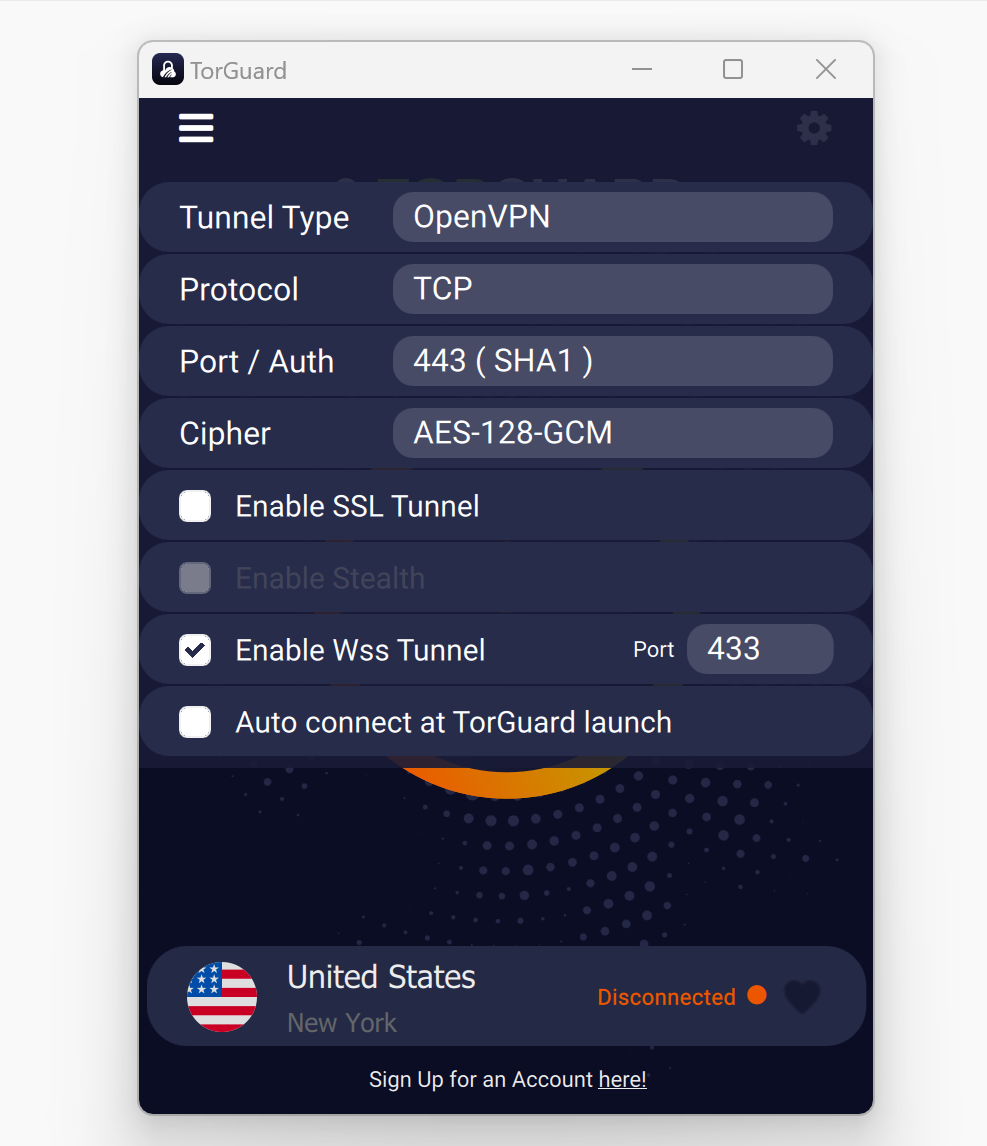
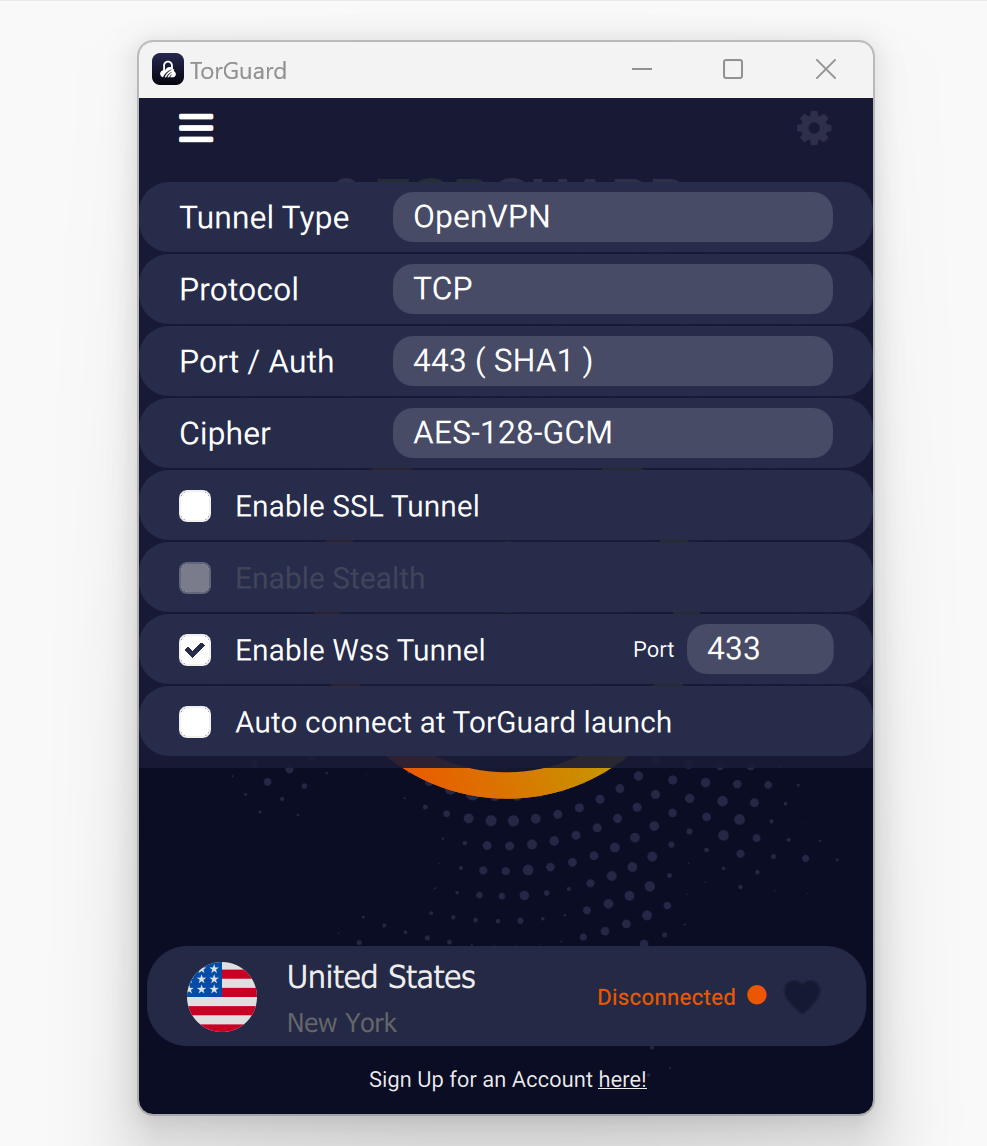
WStunnel is recommended primarily for users in regions with stringent DPI internet censorship, such as China, or when using restricted networks like public Wi-Fi or tightly controlled corporate internet. To utilize this protocol, follow these steps:
- Download the latest TorGuard VPN software.
- Select your desired VPN server location.
- Open the TorGuard VPN desktop application and navigate to the menu in the top left corner.
- Choose the OpenVPN tunnel type and enable the "Wss Tunnel" option.
- Set the port to 443. If that fails, try ports 3535 or 8458.
- Click the prominent connect button to establish the connection.
Maintaining Stealth VPN connections in areas with VPN restrictions is an ongoing challenge, but our progress continues, thanks in large part to valuable customer feedback. Rest assured, we remain committed to ensuring your access to the open internet.