

VPN obfuscation has become a popular buzz term among VPN providers. Many providers offer VPN obfuscation or stealth VPN services. It’s great to have, although the casual VPN user may not understand what it is or why they would need it. It seems as though a VPN does a good job of obfuscating a whole lot of things just by itself – after all, that’s the entire reason people get VPN service in the first place. VPN obfuscation is a bit of an added bonus, and in some areas of the world, it’s an absolutely crucial feature that you should never use a VPN without.
What is It?
When you browse the internet via a VPN, no one can observe exactly what you’re doing or detect and identify you as a user. That’s great, but there’s a small problem. The majority of VPNs use OpenVPN protocol. OpenVPN protocol is excellent and effective, but it leaves behind a tiny sliver of something. Although internet service providers or anyone spying on you won’t have any idea what website you’re on or what you’re doing there, they will be able to tell that you’re using a VPN while you browse.
This knowledge alone is not enough to target you, infiltrate your network in some way, or to spy on your activities. It may, however, draw a little more suspicion or interest to your activity. Outside entities will know you’ve taken additional steps to up your security. The wrong people may want to know why.
How Does VPN Obfuscation Work?
When you’re browsing the internet, your data travels in little virtual units called packets. Unsurprisingly, these packets of data are called data packets. This packet has two components – the header, which presents identifying information, and the payload, which is the transmission of data. When you’re using OpenVPN, the header of that packet says, in essence, “this user is utilizing a VPN”. The data itself is protected. This little bit of information is what ultimately helps websites or internet service providers block all traffic coming from VPNs. That’s how they’re able to know you’re anonymizing yourself.
VPN obfuscation lies a little bit in the header portion of the data packet. Instead of using a VPN identifier, it sends the message that your traffic is normal, run of the mill HTTPS traffic. VPN use cannot be identified because there’s no way to pinpoint it. Furthermore, there is no way to block it. Blocks would only be effective if a firewall were configured to block all HTTPS traffic, which is something that cannot feasibly happen. HTTPS is necessary for virtually everything, therefore blocking it would essentially mean blocking the entire internet.
Why Do I Need VPN Obfuscation?
Everyday users may not understand why VPN obfuscation is necessary. They likely won’t care that anyone from the outside looking in will be able to tell that they’re utilizing a VPN, especially because everything they’re doing online remains completely confidential. There are two main reasons why VPN obfuscation can be highly important.
More Privacy
There is another layer of privacy that comes from the fact that no one will know you’re utilizing a VPN. VPN use can sometimes raise suspicion, and it often raises a flag for hackers who are always on the look out to steal sensitive information or financial data. If they know you’re using a VPN, they’ll know that there are incentives to attempt to exploit that VPN. If your VPN provider were ever to become compromised or a found flaw was published, someone who wants your information may attempt to come for it by exploiting your provider.
Safety from an Oppressive Government
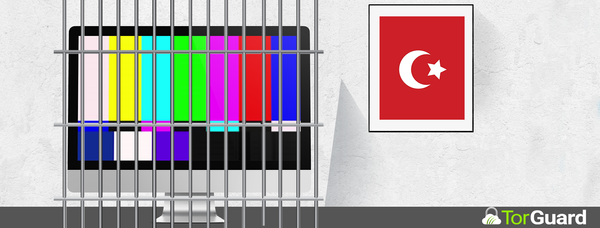
In some countries, the internet is censored so heavily that the only way to access meaningful information (or even Facebook, for that matter) is by utilizing a VPN. Certain governments have gone a step farther to make VPN use illegal. If you want to access the free and open internet without drawing undue scrutiny to yourself, or even worse, going to prison, you have to use VPN obfuscation every single time you connect to the internet.
Using TorGuard’s Stealth VPN
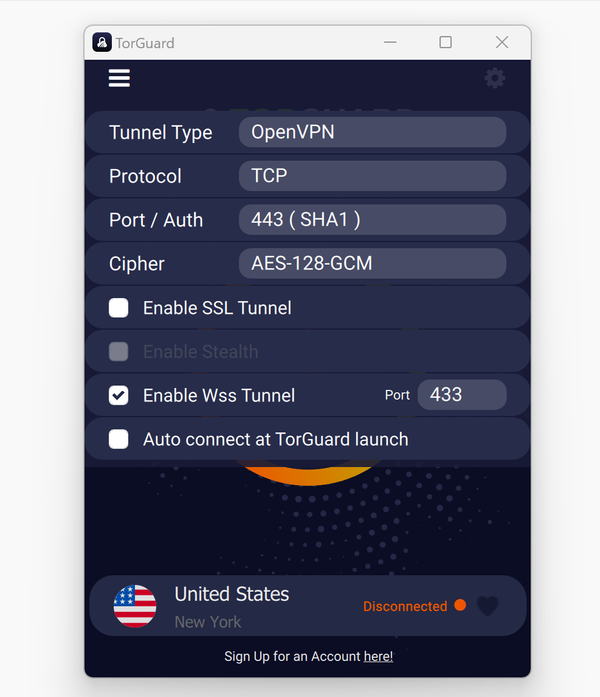
TorGuard VPN offers multiple VPN obfuscation options – all of which are easy to use. Among the offerings are OpenConnect stealth VPN, a Stealth VPN port, a Stunnel feature, and a SOCKS5 proxy feature. Some options can be stacked to create the stealthiest of stealth connections. TorGuard’s stealth options cannot be blocked by any governments or internet service providers, and they’ll never leave any trace of VPN use. Whether you’re trying to avoid censorship or fly under the radar of persistent hackers, TorGuard is here to keep you safe.